
Do you experience issues like bladder leakage when you sneeze or cough? Do you experience pressure or heaviness in your abdomen throughout the day? Has lack of intimacy become a concern due to the pain you experience?
Our pelvic floor physiotherapy clinic in Surrey offers comprehensive assessments and hands-on treatments for pelvic floor disorders in private treatment rooms, provided by a pelvic health physiotherapist. Whether it’s preparing for, recovering from or if you are experiencing issues associated with menopause, you can expect our care to be supportive during the process and aimed at helping you achieve your goals.
What is Pelvic Floor Physiotherapy?
Pelvic floor physiotherapy deals with muscles and tissues of the pelvic region to provide relief to various body functions. Bladder and bowel control, uterus position, core stability and support, sexual function, as well as protection and support to the pelvic organs, are among the functions of the pelvic floor.
The pelvic floor is a group of muscles that support the bladder, uterus, and rectum. Dysfunction in this area can lead to various issues, including:
Leaks due to coughing, sneezing, laughing, lifting, running, sudden urge to go that cannot be delayed, and leaking with these activities. Research shows that first-line treatment may include training the pelvic floor muscles for this as well as urinary incontinence.
Persistent pain in the pelvis, lower abdomen, tailbone and/or groin. This can include pain due to endometriosis and other disorders.
May feel like a heavy or a dragged feeling in the pelvis. Often, symptoms worsen at the end of the day and after heavy lifting.
Pain during or after sexual penetration. This may be due to muscle guarding and a protective reflex that can be treated with graded stretching.
A range of therapeutic options is designed to address pelvic floor dysfunction effectively. These treatments may include:
Pelvic floor specific exercises aim to strengthen the pelvic floor muscles. These exercises help with muscle tone and control, which helps lessen symptoms associated with incontinence and overall improvement of pelvic health.
Manual therapy can reduce tension in muscles and myofascial trigger points by applying skilled hands-on techniques to restricted scar tissue, adhesions, and joints in the pelvis, hips, abdomen, and lower back. Internal techniques are used only with your informed consent; external-only treatment is available.
This includes pressure management through improved breathing, proper techniques for lifting and increased awareness of posture during the day, proper fluids and fiber intake, and special consideration for load management during exercise. Understanding why you experience these symptoms encourages the patient and often leads to a significant positive change.
These techniques use sensors to offer real-time visualization of your pelvic floor muscle contraction and relaxation. This is especially effective when someone can’t feel their muscles contracting, as they can see an instruction they can’t feel, then make the necessary adjustments.
Comprehensive Assessment: A detailed assessment of symptoms, history, and the function of the pelvic floor aids in the development of an individualized treatment plan.
Supportive Environment: A safe and comfortable space is provided to discuss, in a sensitive manner, all the issues and goals pertaining to treatment.
Engaging Sessions: Therapy sessions may consist of a range of techniques including, but not limited to, targeted exercises, hands on therapy, education, and therapeutic strategies aimed at improving pelvic health and function.
Better Muscle Functioning: Strengthen pelvic floor muscles to relieve symptoms from incontinence, pelvic pain, etc.
Better Life Quality: Better relational quality/social participation and physical activity.
Increased Awareness : Guidance and education deepen pelvic health understanding and improve overall wellness.
Empowerment: Pelvic health improvements result in a boost in confidence and higher quality wellness.
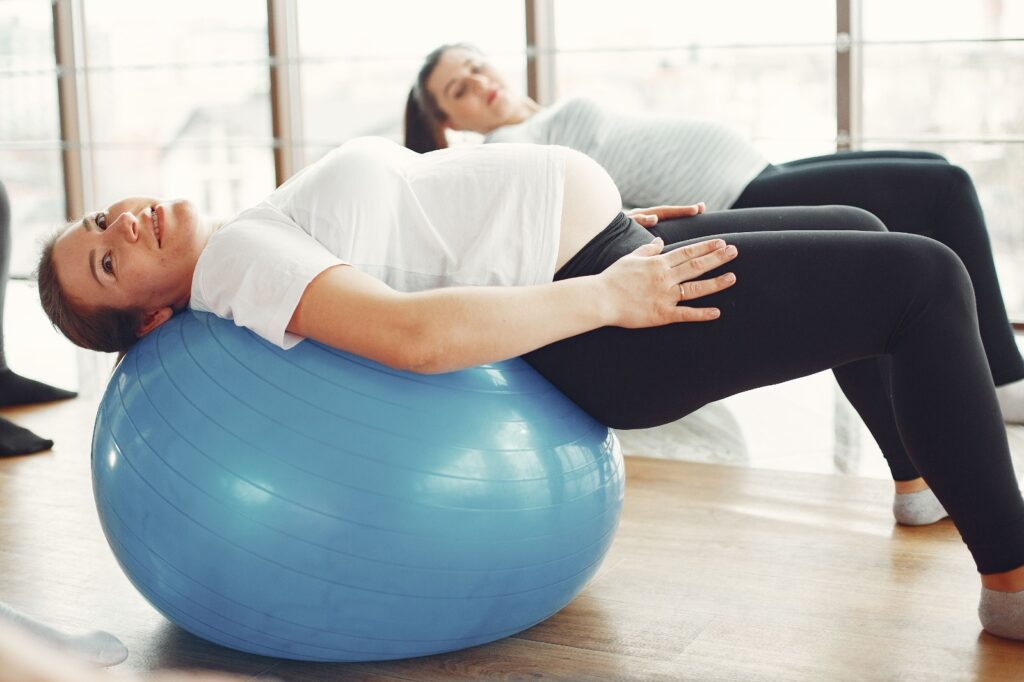
Pelvic Floor Physiotherapists help to improve the muscles that support the bladder, bowels, and uterus for patients with incontinence, pelvic pain, prolapse, painful sex, constipation, and postpartum. First, they determine whether the pelvic floor is weak, too tight, or not coordinated, as these conditions all require individualized approaches. They then utilize different methods such as muscle training, hands-on techniques, biofeedback, and bladder training.
Most people feel relief in four to six sessions with a common treatment plan being six to eight sessions over a period of two to three months. If you have long-standing pelvic pain, you can see relief in even fewer sessions, and for mild postpartum pain, you can see improvement even quicker.
Pelvic floor physiotherapy should not be painful. You remain in control of how aggressive the treatment is especially for conditions that involve pain such as vulvodynia and vaginismus. You might experience some normal muscle soreness after treatment.
You can start pelvic floor physiotherapy soon after an uncomplicated birth by practicing pelvic floor muscle activation and relaxed breathing. You can do a full pelvic floor assessment around six weeks after your birth. Postpartum pain and physiotherapy is effective even years later after your birth.
Pelvic floor physiotherapy cannot repair a prolapse, but it can significantly reduce prolapse symptoms of bulging and heaviness and slow further prolapse. It can improve overall support and comfort and is recommended as a first approach for mild to moderate prolapse, even with a pessary.