
Bursitis and tendinitis are common conditions that can cause significant pain and disrupt daily activities. Both involve inflammation but affect different parts of the musculoskeletal system. Understanding their causes, symptoms, and effective treatment options is essential for managing these conditions effectively.
Bursitis is the inflammation of a bursa, a small fluid-filled sac that cushions bones and soft tissues at joints. Bursae help reduce friction and allow smooth movement. When a bursa becomes inflamed, it can lead to pain, swelling, and discomfort in the affected joint.

Common symptoms include:
Recognizing these symptoms early can lead to timely medical intervention.
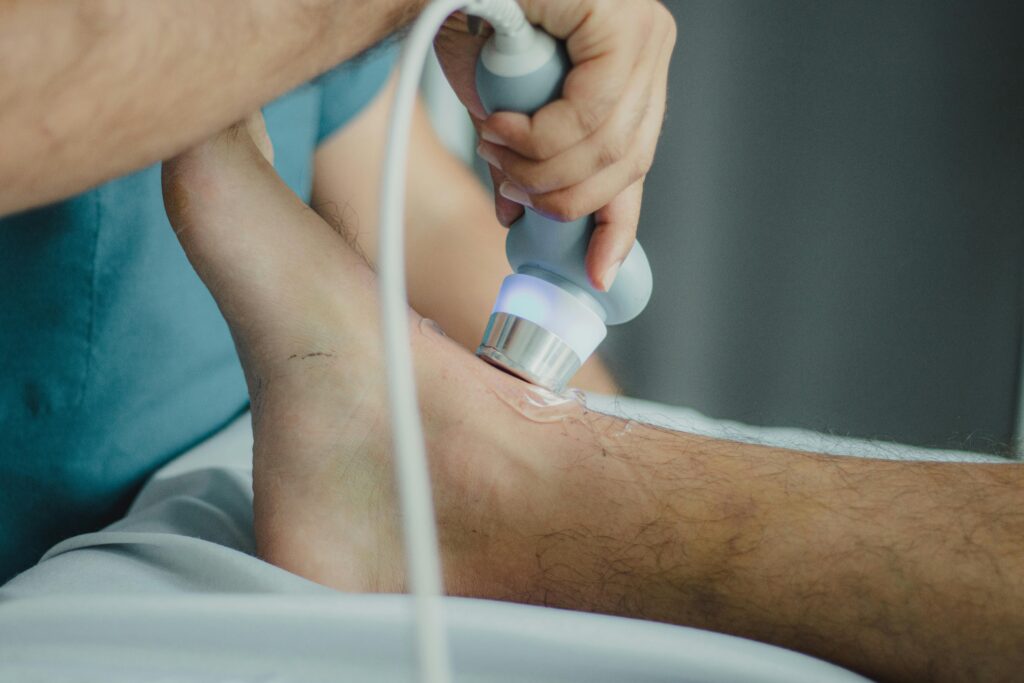
Tendinitis is the inflammation of a tendon, the thick fibrous cords that connect muscles to bones. It most commonly affects areas such as the shoulders, elbows, wrists, knees, and heels.
Symptoms often include:
If symptoms persist, seeking medical attention is vital for an accurate diagnosis and effective treatment plan.
Diagnosing bursitis and tendinitis typically involves:
A healthcare provider will discuss symptoms and activity levels.
Assessing pain, tenderness, and range of motion in the affected area.
X-rays, ultrasounds, or MRIs may be used to confirm inflammation and rule out other conditions.
Both conditions can be managed with various treatment options aimed at reducing pain and inflammation.
A structured physiotherapy program can greatly assist recovery from both bursitis and tendinitis:
Many individuals find relief through complementary therapies that can enhance conventional treatment:
The recovery timeline for bursitis and tendinitis varies based on the severity of the condition and individual factors. Ongoing management is essential to prevent recurrence.
As symptoms improve, gradually reintroducing normal activities is important to prevent re-injury. Starting with low-impact exercises can facilitate a smoother transition back to regular routines.
Maintaining a regular exercise routine aids in long-term recovery. Incorporating stretching and strengthening exercises can support the affected areas and enhance overall physical fitness.
Making adjustments to your workspace and daily habits can help alleviate strain. Consider: Using ergonomic tools and furniture to support proper posture Taking frequent breaks during repetitive activities Engaging in activities that promote good body mechanics
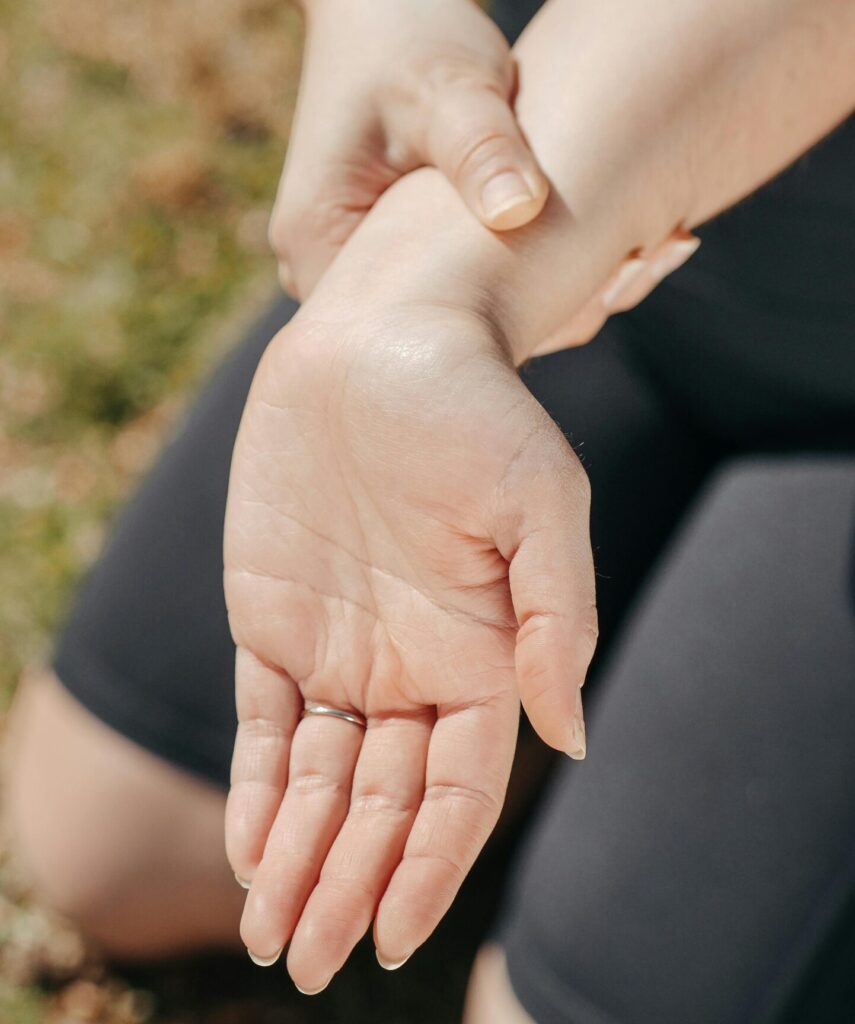
While not all injuries can be prevented, certain strategies can reduce the risk:
Understanding bursitis and tendinitis can empower individuals to take proactive steps toward recovery and prevention. If you have concerns about your condition or require guidance on managing symptoms, consulting a healthcare professional at ARKA Physiotherapy can provide valuable support and resources.
Bursitis is the inflammation of a bursa, a small fluid-filled sac that cushions bones and soft tissues at joints. Bursae help reduce friction and allow smooth movement. When a bursa becomes inflamed, it can lead to pain, swelling, and discomfort in the affected joint.
Common symptoms include:
Recognizing these symptoms early can lead to timely medical intervention.
Diagnosing bursitis and tendinitis typically involves:
Medical History: A healthcare provider will discuss symptoms and activity levels.
Physical Examination: Assessing pain, tenderness, and range of motion in the affected area.
Imaging Tests: X-rays, ultrasounds, or MRIs may be used to confirm inflammation and rule out other conditions.
A structured physiotherapy program can greatly assist recovery from both bursitis and tendinitis:
While not all injuries can be prevented, certain strategies can reduce the risk:
Understanding bursitis and tendinitis can empower individuals to take proactive steps toward recovery and prevention. If you have concerns about your condition or require guidance on managing symptoms, consulting a healthcare professional at ARKA Physiotherapy can provide valuable support and resources.