
Concussion rehabilitation focuses on restoring brain function and relieving symptoms after a head injury. Our personalised physio for concussion programs help reduce dizziness, headaches, and cognitive issues guiding you through a safe, effective recovery at every stage.
A concussion is a mild traumatic brain injury that disrupts normal brain function. Symptoms can appear immediately after impact or develop gradually over the following hours and days, which is why ongoing monitoring matters as much as the initial assessment
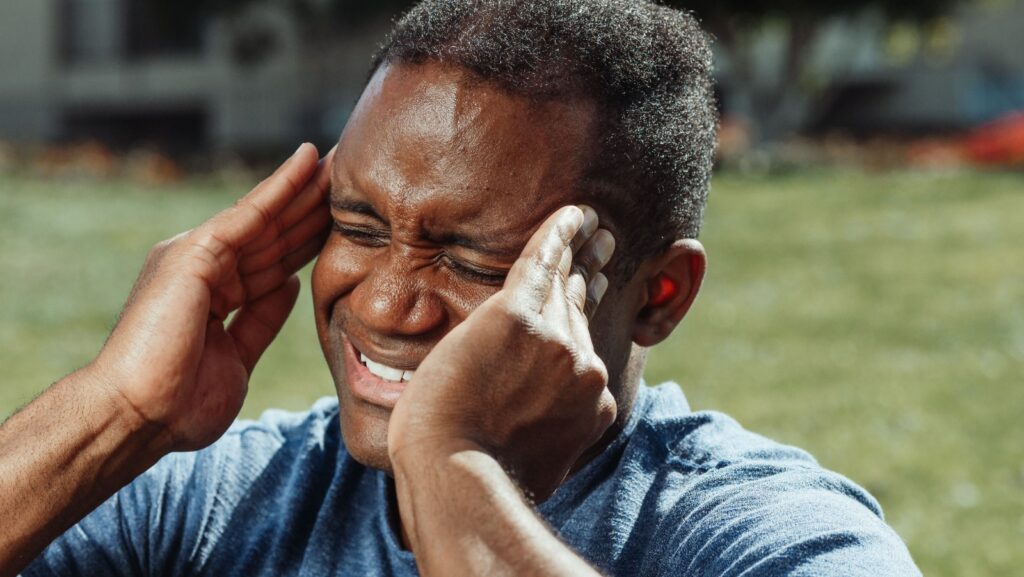
Common symptoms include:
Headaches
Dizziness or balance issues
Memory problems
Sensitivity to light or noise
Fatigue
Difficulty concentrating
Targets the inner ear and balance system to improve stability and reduce dizziness.
Rebuilds memory, focus, and mental clarity through structured cognitive exercises.
Addresses visual disturbances and eye coordination problems that often follow head injury.
A structured, staged program that helps you safely resume work, school, or sport without triggering a symptom relapse.
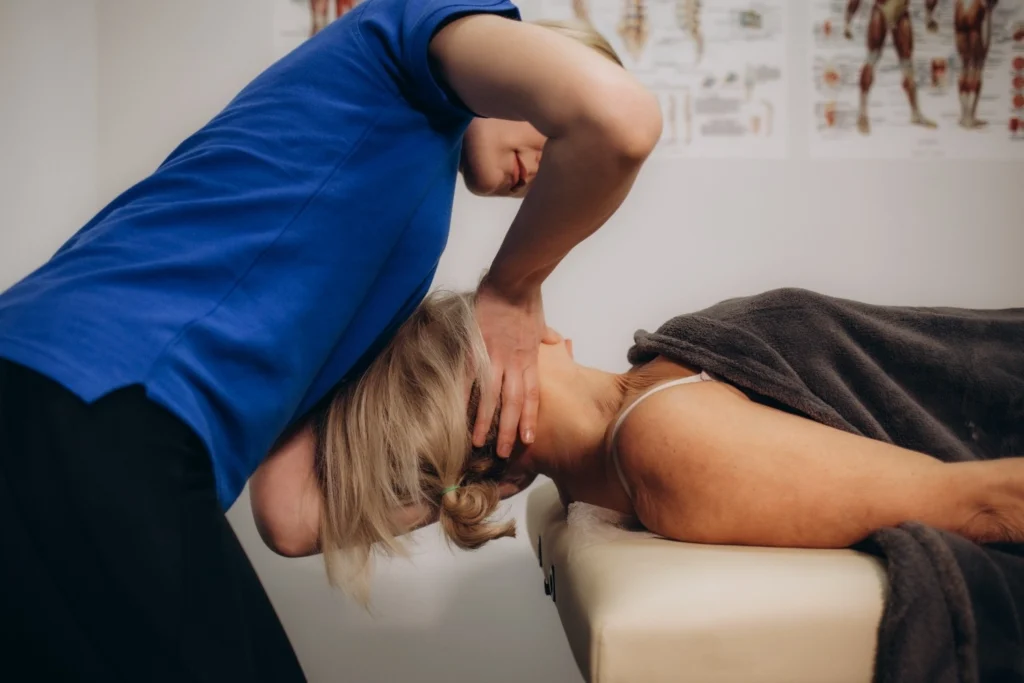
A full neurological and physical evaluation to establish your baseline
Treatment shaped around your specific symptoms and severity
Continuous monitoring, with your plan adjusted as you improve
Clear, staged support for a safe return to work or sport
Don’t wait for symptoms to resolve on their own. Speak to a concussion therapist if you’re experiencing:
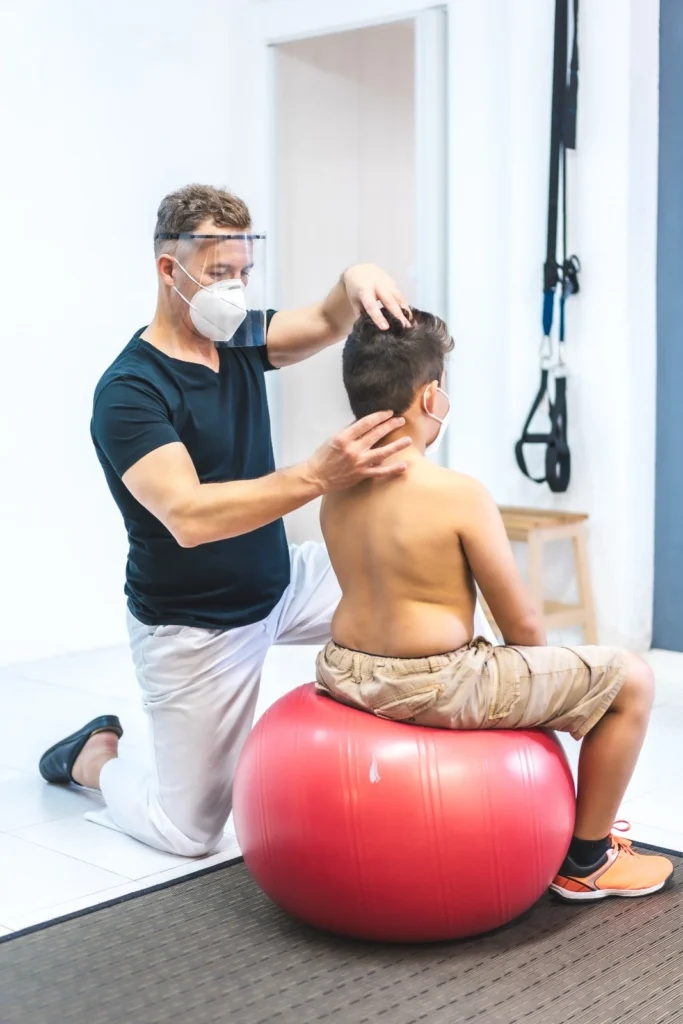
Concussion rehabilitation combines vestibular therapy, cognitive therapy, vision therapy and a reintroduction to activity based on a gradual return to sport. Your symptoms will dictate how your rehabilitation will proceed. Your therapist will conduct a detailed examination to figure out where the balance, vision, cognitive, and neck issues lie. From there, they will develop a treatment plan for you.
For concussion rehabilitation, we work through the brain and the nervous system as opposed to the muscles and joints alone. We focus on specific techniques such as vestibular rehabilitation for dizziness, oculomotor therapy for visual issues, and cognitive load management which includes special training to manage your cognitive load, which is generally not included in basic physiotherapy.
If you’re having any persistent symptoms more than 3-5 days after a concussion such as headaches, dizziness, issues with your concentration or balance, it’s time to call in the concussion therapist. The sooner you get assessed the better chance you have of a faster, more complete recovery.
We will conduct a thorough examination of your neurological system, balance, and cognitive control and activity tolerance. This exam will answer all of the questions and will establish exactly what is causing your symptoms. Once that is all figured out, we are then able to develop a treatment plan specific to you which will provide you with the needed rehabilitation.