
Scoliosis is a condition characterized by an abnormal curvature of the spine, often appearing in an “S” or “C” shape. While some cases are mild and require little intervention, others can lead to significant discomfort and functional limitations. Understanding scoliosis, its symptoms, causes, and effective rehabilitation options is essential for managing this condition.
Scoliosis occurs when the spine curves sideways, typically during the growth spurts before puberty. While the exact cause often remains unknown, scoliosis can be classified into three main types:
Symptoms can vary widely among individuals, but common signs include:
Diagnosing scoliosis typically involves:
Discussing symptoms, family history, and any previous spine-related issues.
Assessing the spine’s alignment and observing for asymmetries.
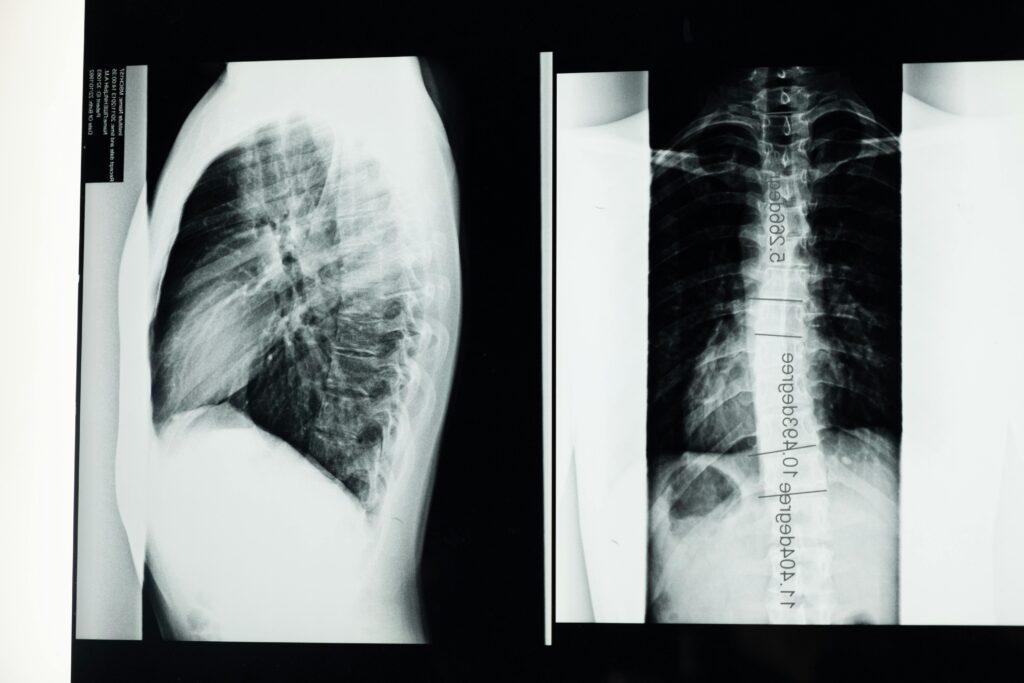
X-rays are often used to determine the degree of curvature and monitor progression.
Treatment depends on the severity of the curvature and the age of the patient. Common options include:
For mild cases, especially in children or adolescents, doctors may recommend regular monitoring to ensure the curvature does not worsen.
In growing children with moderate scoliosis, wearing a brace can help prevent further curvature. The effectiveness of bracing depends on the severity of the curve and the age of the patient.
A physical therapist can develop a rehabilitation program focusing on:
For severe cases, especially those causing significant pain or functional limitations, surgery may be considered:
Rehabilitation plays a crucial role in recovery and may involve several key components:
Gentle Movements: Initially, gentle range-of-motion exercises can help maintain flexibility. Education: Learning about body mechanics and strategies to manage daily activities post-treatment.
As recovery progresses, physical therapy will focus on: Core Stability Exercises: Strengthening the muscles that support the spine to promote better posture and alignment. Functional Training: Activities that simulate daily tasks can enhance overall functionality and ease of movement.
Regular Monitoring: Continued assessment of spinal health is vital, particularly in growing children. Ongoing Exercise: Maintaining a regular exercise routine can support spinal health and overall well-being.
While not all cases of scoliosis can be prevented, some strategies can help manage or slow progression:
Scoliosis occurs when the spine curves sideways, typically during the growth spurts before puberty. While the exact cause often remains unknown, scoliosis can be classified into three main types:
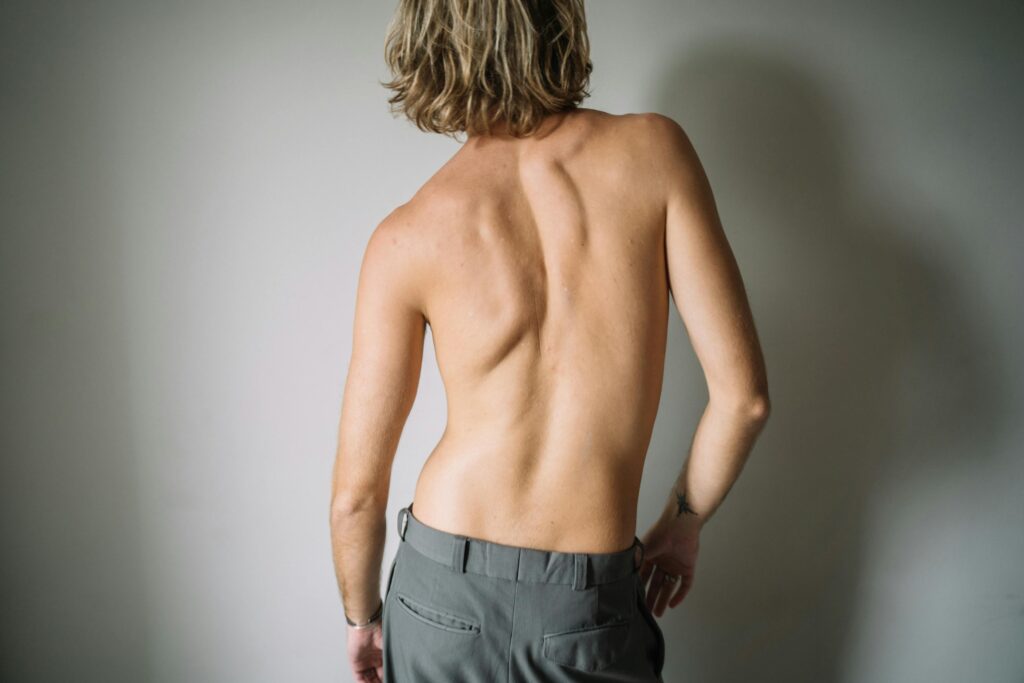
Symptoms can vary widely among individuals, but common signs include:
Diagnosing scoliosis typically involves:
Medical History: Discussing symptoms, family history, and any previous spine-related issues.
Physical Examination: Assessing the spine’s alignment and observing for asymmetries.
Imaging Tests: X-rays are often used to determine the degree of curvature and monitor progression.
A physical therapist can develop a rehabilitation program focusing on:
While not all cases of scoliosis can be prevented, some strategies can help manage or slow progression: