
Tingling or numbness, often described as a “pins and needles” sensation, can be a common experience that varies in intensity and duration. While it may be temporary and harmless in some cases, persistent or recurrent sensations can indicate an underlying medical condition. Understanding the causes, symptoms, and treatment options is essential for effective management.
Tingling refers to a prickling or burning sensation in the skin, while numbness describes the loss of feeling in a specific area. These sensations can occur in various parts of the body, including the hands, feet, arms, and legs. They often result from nerve compression, damage, or irritation, impacting daily activities and quality of life.
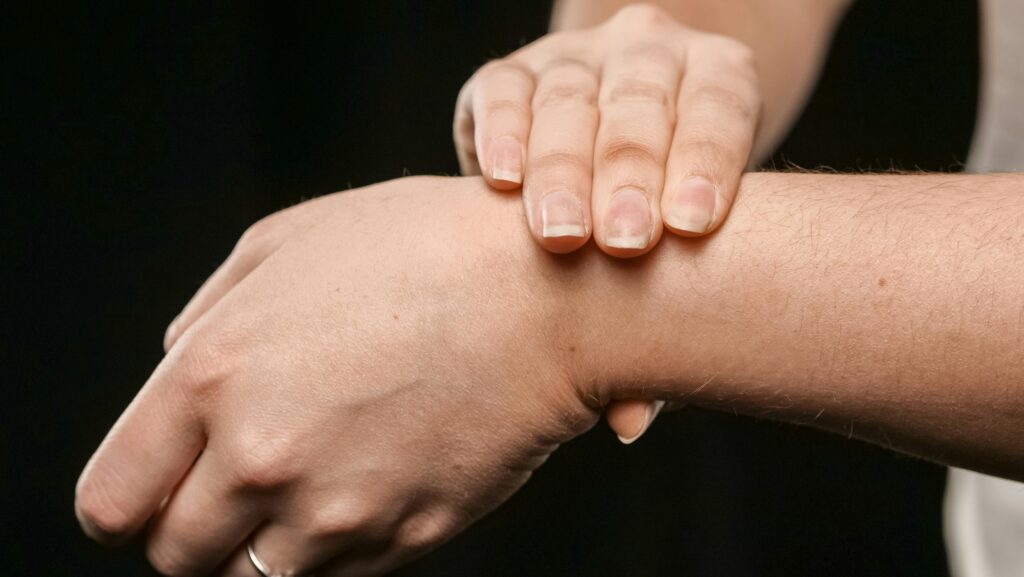
Symptoms can vary based on the underlying cause but typically include:
Diagnosing the cause of tingling or numbness usually involves:
A thorough discussion of symptoms, including the onset, duration, and any relevant medical history. Understanding lifestyle factors, such as diet and activity level, can also provide insight.
The healthcare provider will assess areas of numbness or tingling, strength, reflexes, and other neurological functions to identify potential causes.
MRI or CT scans may be ordered to visualize nerve compression or damage in the spine or other areas of the body.
These tests evaluate the electrical activity of nerves and can help identify nerve dysfunction or damage. Electromyography (EMG) may also be performed to assess muscle health.
Treatment focuses on addressing the underlying cause of tingling or numbness. Options may include:
It’s crucial to seek medical attention if you experience:


To reduce the risk of experiencing tingling or numbness:
Tingling refers to a prickling or burning sensation in the skin, while numbness describes the loss of feeling in a specific area. These sensations can occur in various parts of the body, including the hands, feet, arms, and legs. They often result from nerve compression, damage, or irritation, impacting daily activities and quality of life.
Nerve Compression:
Peripheral Neuropathy:
Poor Circulation:
Symptoms can vary based on the underlying cause but typically include:
Diagnosing the cause of tingling or numbness usually involves:
Medical History: A thorough discussion of symptoms, including the onset, duration, and any relevant medical history. Understanding lifestyle factors, such as diet and activity level, can also provide insight.
Physical Examination: The healthcare provider will assess areas of numbness or tingling, strength, reflexes, and other neurological functions to identify potential causes.
Imaging Tests: MRI or CT scans may be ordered to visualize nerve compression or damage in the spine or other areas of the body.
Nerve Conduction Studies: These tests evaluate the electrical activity of nerves and can help identify nerve dysfunction or damage. Electromyography (EMG) may also be performed to assess muscle health.
To reduce the risk of experiencing tingling or numbness: