
In British Columbia, the Insurance Corporation of British Columbia (ICBC) plays a vital role in providing coverage for individuals injured in motor vehicle accidents. Understanding how ICBC supports your recovery through physiotherapy can empower you to navigate the healing process effectively. This guide will cover the basics of ICBC coverage, the claims process, and the types of physiotherapy treatments available.
ICBC provides mandatory insurance for all drivers in British Columbia. If you are injured in a motor vehicle accident, ICBC offers coverage for a variety of medical treatments, including physiotherapy. This support is designed to help you recover from your injuries and return to your daily activities.
Since May 2021, anyone injured in a B.C. crash is pre-approved for a set number of treatments in the first 12 weeks, regardless of fault. For physiotherapy that is up to 25 sessions. You do not need to arrange approval yourself — reporting the crash and getting a claim number is enough.
You do not need to wait for a doctor’s referral to begin physiotherapy. Once you have reported the crash to ICBC and have a claim number, you can book directly with us. ICBC pre-approves several other treatments on the same basis, including massage therapy, acupuncture, kinesiology, chiropractic care and counselling — though not every clinic offers all of them.
Recovery does not always fit a 12-week window. If you need more sessions than the pre-approved allowance, your physiotherapist can request an extension from your ICBC recovery specialist, supported by your assessment findings and progress to date. We make that request — you do not need to negotiate it yourself.
Bring your ICBC claim number, the date of the crash, and any imaging or medical reports you already have. Wear or bring clothing you can move in. If you have seen a doctor or been to hospital, bring that paperwork too — it helps your physiotherapist build an accurate picture.
Injured at work rather than on the road? WorkSafeBC treatment follows a different process.

Navigating the ICBC claims process can be daunting, but understanding the steps can make it easier:
The first step after an accident is to report it to ICBC. You can do this online or by visiting an ICBC claims center. Make sure to provide all necessary details about the accident, including the date, location, and parties involved.
It’s essential to seek medical attention as soon as possible after the accident, even if you feel fine. Some injuries may not be immediately apparent, and timely documentation of your condition is crucial for your claim.
After reporting the accident, you will receive a claim number. Keep this number handy, as you will need it for all subsequent communications with ICBC and your healthcare providers.
Once your claim is established, you can start seeking physiotherapy. If you’ve been involved in a motor vehicle accident, seeking prompt and effective physiotherapy can make a significant difference in your recovery. At Arka Physiotherapy, we specialize in helping individuals heal and regain mobility after motor vehicle injuries.
ICBC covers a wide range of injuries resulting from motor vehicle accidents, including:
Common in rear-end collisions — can lead to significant neck pain and reduced mobility.
Strains, sprains, and herniated discs can occur due to sudden stops or impacts.
Injuries to muscles, ligaments, and tendons that often result in pain and swelling.
Injuries to shoulders, knees, and other joints that can affect mobility and function.

ICBC covers various physiotherapy treatments to assist in your recovery:
This hands-on treatment involves techniques such as mobilization and manipulation to alleviate pain, improve mobility, and promote healing in the affected areas.
An individualized exercise program is essential for rehabilitation. These exercises may include:
Physiotherapists may use various modalities to aid in recovery, including:
Education plays a vital role in recovery. Your physiotherapist will provide guidance on managing your condition, including advice on posture, body mechanics, and home exercises.
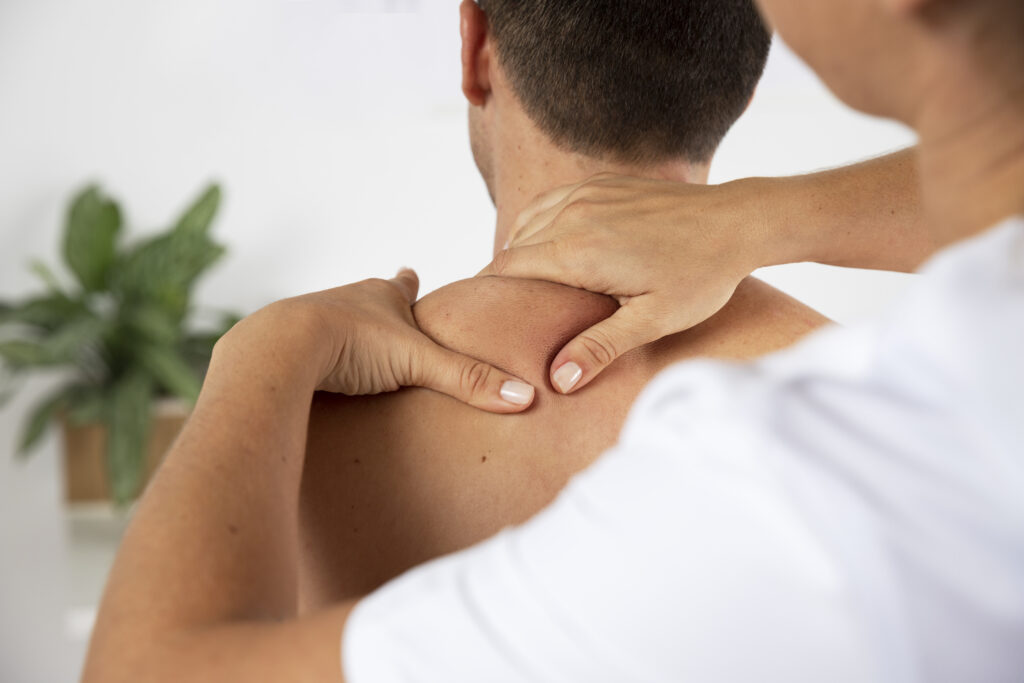
What you need to know about your ICBC physiotherapy coverage.
We bill ICBC directly — you don’t pay upfront. This removes the financial barrier so you can focus entirely on recovery.
Keep all documentation of your injuries and treatments. Reports and receipts may be needed for future claims and evaluations.
Attending scheduled appointments and following your treatment plan are key to your recovery and continued ICBC support.
If you have questions about your ICBC coverage or are ready to begin your physiotherapy treatment, the team at ARKA Physiotherapy is here to help. We are dedicated to supporting your recovery and helping you regain your strength and mobility. Schedule an appointment today to take the first step towards healing!