
Shoulder pain is a common issue that can affect people of all ages, from athletes to individuals with sedentary lifestyles. The shoulder joint is highly mobile, allowing for a wide range of motion, but this flexibility can also lead to various injuries and conditions. Understanding shoulder pain, its causes, symptoms, and effective rehabilitation options is essential for managing and alleviating discomfort.
Shoulder pain refers to discomfort in the shoulder region, which can be caused by various conditions affecting the muscles, tendons, ligaments, or bones in and around the shoulder joint. It can range from mild discomfort to severe pain that restricts movement and daily activities.

Symptoms can vary depending on the underlying cause, but common signs include:
Diagnosing shoulder pain typically involves:
Discussing symptoms, lifestyle, and any previous injuries or conditions.
Assessing shoulder strength, range of motion, and areas of tenderness.
X-rays, MRI, or ultrasound may be used to identify the underlying cause and assess the condition of the shoulder structures.
Treatment varies based on the underlying cause and severity of symptoms. Common options include:
For mild to moderate cases, conservative treatments may be effective:
A physical therapist can develop a rehabilitation program focusing on:
If conservative treatments fail, surgical intervention may be necessary:
Rehabilitation is essential for recovery and involves several key components:
Rest and Ice: Initially, rest and ice therapy can help manage acute pain. Gentle Range of Motion Exercises: Passive movements can help maintain flexibility without stressing the shoulder.
As healing progresses, physical therapy will focus on: Strengthening the Rotator Cuff and Shoulder Muscles: Building strength to support the shoulder joint. Functional Training: Activities that mimic daily tasks to improve overall shoulder function and ease of movement.
Regular Monitoring: Continuing to assess shoulder health and mobility is vital, particularly after injury or surgery. Ongoing Exercise: Maintaining a regular exercise routine can support shoulder health and overall well-being.
To reduce the risk of future shoulder pain, consider these strategies:
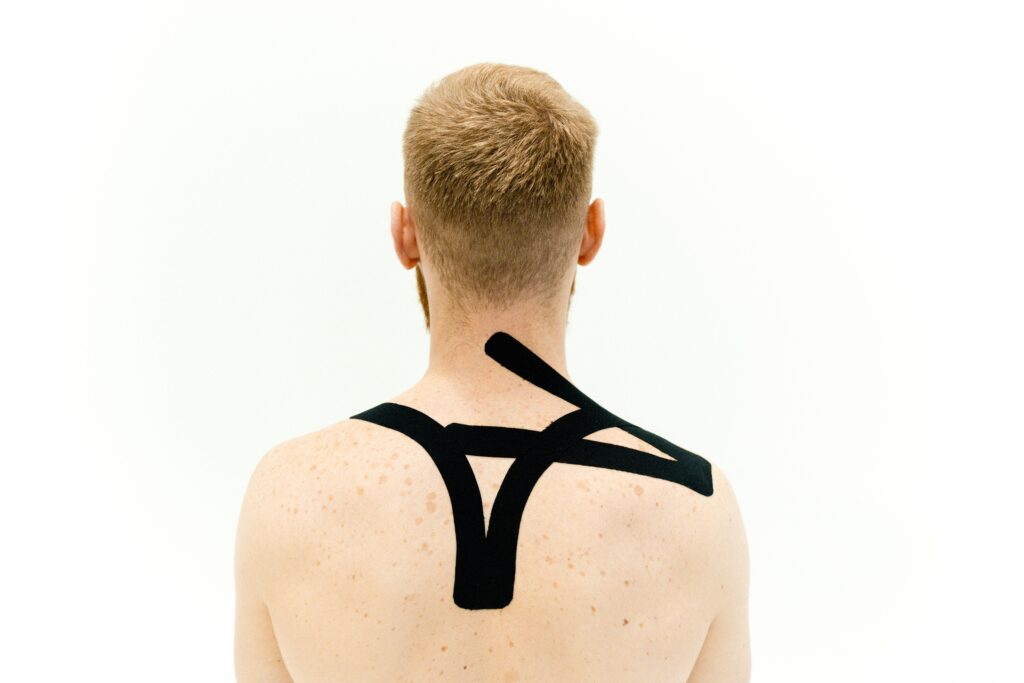
Shoulder pain refers to discomfort in the shoulder region, which can be caused by various conditions affecting the muscles, tendons, ligaments, or bones in and around the shoulder joint. It can range from mild discomfort to severe pain that restricts movement and daily activities.
Rotator Cuff Injuries:
Shoulder Impingement:
Tendinitis:
Bursitis:
Arthritis:
Symptoms can vary depending on the underlying cause, but common signs include:
Diagnosing shoulder pain typically involves:
Medical History: Discussing symptoms, lifestyle, and any previous injuries or conditions.
Physical Examination: Assessing shoulder strength, range of motion, and areas of tenderness.
Imaging Tests: X-rays, MRI, or ultrasound may be used to identify the underlying cause and assess the condition of the shoulder structures.
A physical therapist can develop a rehabilitation program focusing on:
To reduce the risk of future shoulder pain, consider these strategies: