Postnatal Physiotherapy in Surrey BC: Postpartum Recovery, Pelvic Floor and Core Support
When you are pregnant and have a baby your body goes through a lot of changes. These changes can last for a time after you have your baby. Your stomach muscles stretch, your pelvic floor gets weaker, your posture changes and your muscles and joints have to work to help you carry your baby.
For some mothers these changes get better on their own.For others they might have problems like pain in their pelvic area leaking urine, weak stomach muscles, back pain or trouble exercising.
Postnatal physiotherapy in Surrey BC can help you understand what is happening to your body and make a plan to get stronger, more mobile and more confident after having your baby.
Whether you had a birth or a C-section postpartum physiotherapy can help you recover and get back to your normal activities and exercise.
What Is Postnatal Physiotherapy?
When you go to see a physiotherapist, they will check things like:
- How well your pelvic floor muscles are working
- How strong your core is
- If you have any problems with your stomach muscles
- If you have any pain in your back, hips, or pelvic area
- If you have any problems with your bladder or bowels
- How well your C-section scar is healing
- How strong and mobile you are for your activities
- If you are ready to start exercising
The treatment is tailored to each person because every pregnancy, birth, and recovery is different.
At Arka Physiotherapy postnatal care is part of a women’s health and pelvic floor physiotherapy approach, which helps with postpartum symptoms and your personal recovery goals.
Why Is Postpartum Physiotherapy Important?
After you have your baby you are not just recovering from childbirth. You are also taking care of your baby, which can be hard on your body.
You have to feed, lift, carry, bend and sit for periods, which can put extra stress on your pelvic floor, stomach muscles, back, hips and other parts of your body.
Going to see a physiotherapist can help you find out if there are any areas of weakness or tension and get the treatment before you start having problems with your daily activities or exercise.
Pelvic Floor Changes After Childbirth
The pelvic floor muscles help support your bladder, bowels and pelvic organs. They also help you stay continent and support your core.
When you are pregnant and have a baby these muscles can get weaker and less coordinated.
Some common problems that women have after childbirth include:
- Leaking urine when they cough, sneeze, or exercise
- Feeling heaviness or pressure in their pelvic area
- Having trouble controlling their bowels
- Having pain in their pelvic area
- Having trouble exercising
Pelvic floor physiotherapy in Surrey can help you get stronger, more coordinated and more relaxed which can help with these problems.
It is not about doing Kegel exercises. Your treatment will depend on what you need. It might include things like strengthening, relaxation, coordination, breathing and learning how to manage pressure during your daily activities.
Diastasis Recti and Postpartum Core Recovery
Diastasis recti is when your stomach muscles separate which is common during and after pregnancy.
By just focusing on how big the gap is, postpartum rehabilitation looks at how well your stomach muscles are working when you move.
You might notice things like:
- Weak stomach muscles
- A bulge in your stomach
- Trouble engaging your core
- Feeling less confident when you lift or exercise
- Changes in your posture or movement
- Back pain
Physiotherapy for diastasis recti can help you get stronger, more coordinated and more confident in your core.
The goal is not just to “close the gap ” but to help you get stronger, mobile and more able to manage pressure during your daily activities.
Postpartum Back, Hip and Pelvic Pain
hip and pelvic pain can last for a long time after you have your baby.
Some common things that can contribute to this pain include:
- Changes in your posture
- Lifting and carrying your baby
- Feeding and breastfeeding positions
- Carrying your baby
- Not getting enough sleep or rest
- Changes in your core and pelvic floor function
- Starting to exercise too quickly
A physiotherapist can check how you move, stand, lift and do your daily activities to see what might be causing your pain.
Your treatment might include things like therapy, exercise, mobility work, strengthening and education on how to move and lift safely.
C-Section Recovery and Physiotherapy
Having a C-section is surgery and recovering from it takes more than just letting the incision heal.
Depending on how along you are in your recovery post-C-section physiotherapy might include things like:
- Getting your stomach muscles and core working again
- Making sure your scar is healing well
- Improving your posture and movement
- Learning how to breathe and manage pressure
- Dealing with pelvic pain
- Gradually getting stronger
- Getting back to your activities and exercise
Your physiotherapist can also help you learn how to gradually get back to activities like lifting, walking, strengthening and exercising.
When Should You Start Postnatal Physiotherapy?
There is no one-size-fits-all answer to this question.
Some women start postpartum physiotherapy a weeks after having their baby while others start months or even years later when they start to notice symptoms or want to get back to exercising.
When you should start physiotherapy depends on things like:
- How you had your baby
- If you had any tears or injuries during birth
- What symptoms you are having
- If you have had any injuries before
- How active you are
- What your recovery goals are You do not have to wait until your symptoms are really bad before getting help.
- If you are having trouble with things like leaking urine, pelvic pressure, weak stomach muscles or back pain you should consider getting a pelvic health physiotherapy assessment.
What to Expect During a Postpartum Physiotherapy Assessment
When you go to see a physiotherapist they will start by talking to you about your pregnancy, birth, symptoms, activity level and recovery goals
They might check things like:
Posture and Movement
They will look at how you stand, walk, squat, bend, lift and move.
Breathing and Core Function
They will check how you breathe and how your stomach muscles are working.
Pelvic Floor Function
They might do an external assessment of your pelvic floor muscles but only if you are comfortable with it.
Abdominal Wall and Diastasis Recti
They will check how your stomach muscles are working. If you have any separation.
Your Daily Activities
They will think about how you do your activities like feeding your baby carrying and lifting getting in and out of bed walking, doing household tasks exercising and going back to work or sports.
The goal is to make a plan that works for you and your life.
What Does Postnatal Physiotherapy Treatment Involve?
A range of therapeutic options is designed to address pelvic floor dysfunction effectively. These treatments may include:
- Pelvic Floor Muscle Training
Pelvic floor muscle training is very important for floor physiotherapy and pelvic floor rehabilitation. This treatment helps people get pelvic floor muscles. It also helps with endurance and coordination.
The exercises are designed to help people who have trouble controlling their bladder or who have pelvic floor muscles. People who have pain in their area or who have trouble with bladder control can benefit from this treatment. Your physiotherapist will create an exercise program just for you. This program is based on your symptoms. What you want to achieve.
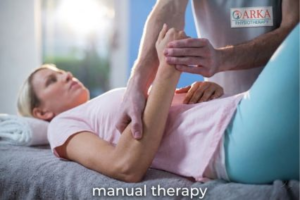
- Manual Therapy
Manual therapy is a treatment that uses hands-on techniques. It helps with muscle tension and stiffness in the pelvic floor area.
Your physiotherapist will use their hands to help your muscles relax. They will focus on the areas that are causing you trouble. This could be your floor, hips, lower back or abdomen. Manual therapy can help reduce pain and improve mobility. It can also help you have control over your pelvic floor muscles.
- Education & Lifestyle Modifications
Learning about health is a big part of physiotherapy. You need to understand how your pelvic floor muscles work with your bladder, bowel and breathing. This knowledge will help you manage your symptoms and stay healthy.
Your physiotherapist will teach you about habits for your bladder and bowel. They will also show you how to exercise your pelvic floor muscles. You will learn how to lift things how to stand up straight and how to breathe properly. You will also get tips on how to exercise and how to live a life.
These tips can help you manage your pelvic floor muscles and stay healthy. They can also help you recover from floor problems.
- Biofeedback
Biofeedback is a treatment that helps you understand your pelvic floor muscles. It uses sensors to tell you when your muscles are working correctly.
This treatment can be used with floor muscle training. It helps you learn how to control your muscles. Biofeedback is very helpful for people who have trouble finding their pelvic floor muscles.
By using biofeedback you can get control over your pelvic floor muscles. This can help you have bladder control and bowel function. It can also help you have overall pelvic health. Pelvic floor physiotherapy and pelvic floor rehabilitation are important for your health. Pelvic floor muscle training and biofeedback can help you achieve your goals.
Who Can Benefit From Postnatal Physiotherapy?
You might benefit from physiotherapy in Surrey BC if you are having trouble with things like:
- Leaking urine
- Weak pelvic floor muscles
- Pressure or heaviness
- Diastasis recti
- Weak stomach muscles
- Back pain
- Hip or pelvic pain
- C-section scar
- Limited mobility
- Pain during exercise
- Trouble getting back to exercise
- Reduced strength after pregnancy
- Concerns about getting back to running or sports
You can also get an assessment if you just want some professional guidance on getting stronger after having your baby.
Can Postpartum Physiotherapy Help Years After Childbirth?
Yes it is never too late to get help.
Some women have problems, with their floor, stomach muscles or back months or years after having their baby. Others might not notice problems until they start exercising or get pregnant again.
A pelvic floor physiotherapy assessment can help you figure out what is going on and if physiotherapy can help you reach your goals.
Start Your Postpartum Recovery in Surrey BC
Your body changes a lot when you are pregnant and give birth. You do not have to accept that you will have pain be weak or have trouble exercising after having a baby.
Postnatal physiotherapy in Surrey can give you the help you need to take care of your floor, core and overall health. We can help you recover from diastasis recti, C-section and other issues. We can also help you manage pain and get back to exercising.
If you are looking for postpartum physiotherapy near me in Surrey Arka Physiotherapy can help you understand what is going on and make a plan to get you feeling better.
Ready to take the step? Book an assessment, with Arka Physiotherapy. Start working towards a stronger, more confident postpartum recovery.
Frequently Asked Questions About Postnatal Physiotherapy
Do I need physiotherapy if I feel fine?
You might not think you need physiotherapy if you feel fine. A check up can help find out if your pelvic floor or core is working properly. This is especially important if you want to start exercising like running or jumping.
Is floor physiotherapy uncomfortable?
We care about your comfort. We will only do a check of your pelvic floor if you say it is okay. Your physiotherapist can talk to you about ways to check and treat you.
Can physiotherapy help with diastasis recti?
Physiotherapy can help make your abdominal wall stronger. It can also help you coordinate your movements and manage pressure. We will make a plan for you based on what we find out during your check up. We will not just focus on how big the separation in your wall is.
Can I have postpartum physiotherapy after a C-section?
Yes you can have postpartum physiotherapy after a C-section. We can help you recover from both C-section and vaginal birth. We can help you take care of your scar, make your core stronger and get moving again. We can also give you advice on how to start exercising
How physiotherapy sessions will I need?
The number of sessions you need will depend on how you’re feeling, how you are recovering and what you want to achieve. Your physiotherapist can tell you how sessions you will need after they check you out.
Can postnatal physiotherapy help with leakage?
Pelvic floor physiotherapy can help us figure out why you are experiencing leakage. We can then make a plan to help you get better. This might include exercises to make your pelvic floor stronger and tips on how to manage pressure when you move or exercise.