“TMJ disorder” is a term used to describe an issue with the temporomandibular joint. This joint is located on each side of the head near the ear and helps to move the lower jaw. If there is a dysfunction with this joint, it can cause pain and Clicking of the joint. People with this issue may also have restricted movement of the jaw. This can cause issues with chewing, talking, and yawning.
Dysfunction with the TMJ joint is very common and is related to musculoskeletal pain of the facial region. These dysfunctions are treatable with proper physiotherapy.
At ARKA Physiotherapy, we offer the highest level of care using evidence-based practices for the relief of pain and dysfunction of the jaw, while also restoring proper jaw mechanics.
TMJ disorder can manifest in many different ways. The most common include:
– Temporomandibular Joint pain
– Stiffness of the jaw, facial muscles and masseters
– Jaw Tenderness
– Restricted jaw movement
– Popping or clicking noises when opening or closing the jaw
– Jaw Locking
– Headaches
– Neck and shoulder pain
– Earaches
When these signs or symptoms are noticeable for you or someone you know, an evaluation by a TMJ dysfunction physiotherapy expert is recommended.
Causes of TMJ Disorder
Although there are multiple factors that could contribute to the development of TMJ dysfunction, some of the most common reasons include:
– Teeth clenching or grinding (Bruxism)
– Physical or facial Trauma
– Malocclusion (bad bite)
– Misalignment of the jaw
– Stress or anxiety (psychological factors)
– Inflammatory conditions of the joint (i.e. TMJ Arthritis)
– Joint disc displacement
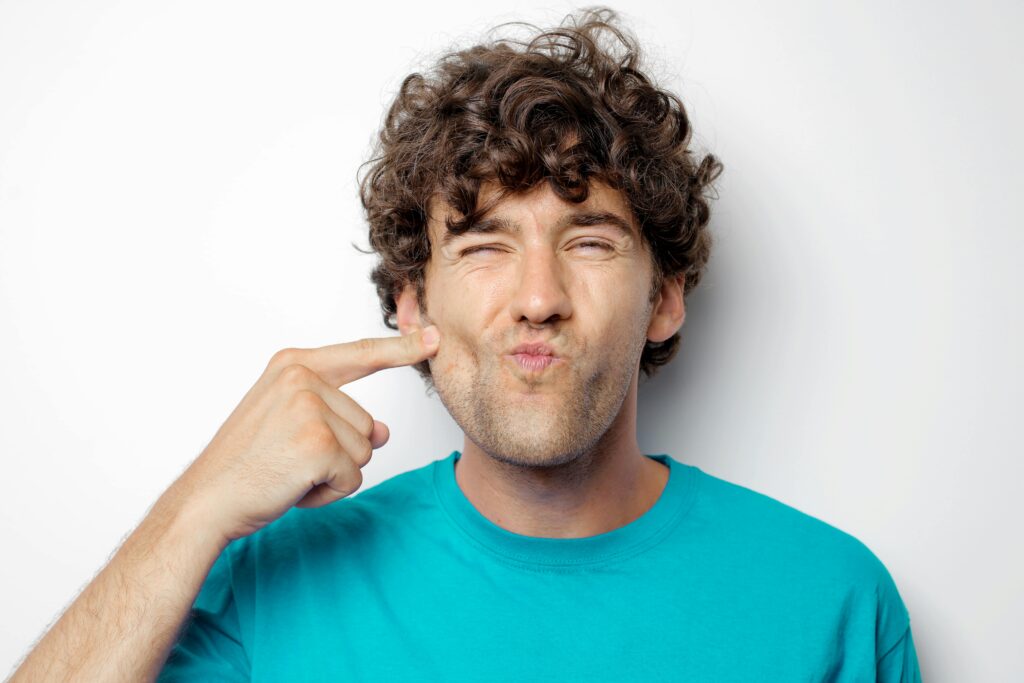
TMJ dysfunction is a complex condition, which requires a comprehensive and customized treatment plan. The goal of treatment is to address the underlying causes of TMJ dysfunction to alleviate the associated signs and symptoms.
At ARKA Physiotherapy, we take the time to fully understand each individual in order to create an effective treatment plan.
Evidence based, quality, hands on therapy is used to decrease your pain, improve your mobility and reduce the likelihood that your symptoms will return. Manual therapies are used to address the jaw joint and the surrounding musculature. Manual therapies include soft tissue mobilization and joint pain mobility therapies.
Customized TMJ exercises constitute effective jaw rehabilitation and provide long term pain relief. Physiotherapy exercises for the TMJ consist of the following:
Exercises that help in relaxing jaw muscles and improving jaw mobility.
Exercises that strengthen the muscle that helps in supporting the TMJ and improving the stability of the TMJ .
Apart from exercises, physical therapy also includes several other modalities such as heat and cold, TENS, ultrasound etc. that help in treating TMJ pain.
Poor posture is related to TMJ dysfunction. We can help educate you and your family on posture and provide ergonomic advice. We can provide posture education to children and teenagers who often use electronic devices for long periods of time, as well as office workers who use computers for long hours.
We may incorporate various modalities to enhance treatment, including:

When patients with TMJ dysfunction seek treatment with ARKA Physiotherapy, the treatment may consist of the following:
You should not wait for potential TMJ symptoms to resolve on their own. Seek a TMJ Physiotherapy assessment in your area if you have:
• Chronic Jaw Pain: Pain which persists and worsens over time.
• Altered Ability to Eat or Speak: Inability to perform your normal daily functions.
• Frequent Headaches: Possibly from jaw tension.
• Clicking or Locking Jaw: Joint restricted movement due to mechanical symptoms.
The best thing to do is address symptoms early, before they become chronic, via dysfunction TMJ Physiotherapy. This may be less invasive and better tolerated intervention. This may also improve the prognosis when compared to invasive measures.
Long-Term Prevention : Education and self-management to prevent future stress flare-ups.
If you have jaw pain or are suffering from stiffness or clicking, get on the road to recovery! ARKA Physiotherapy offers expert treatment for TMJ dysfunction. We treat each step of the recovery process.
Take the first step to pain-free recovery and book your TMJ physiotherapy appointment today!
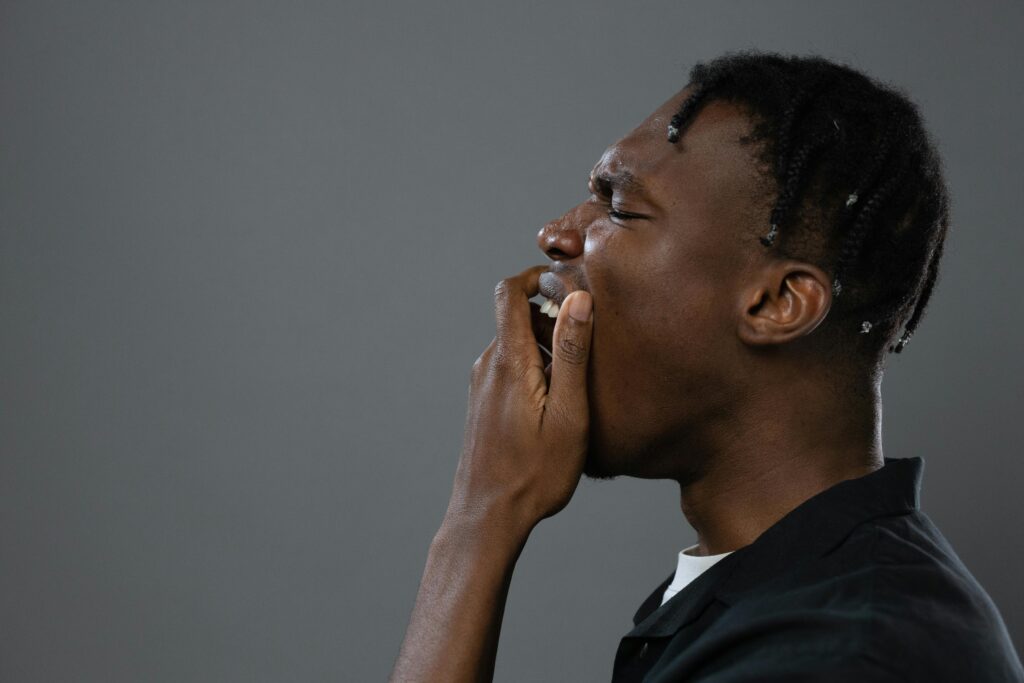
TMJ disorder physiotherapy uses various techniques such as manual therapy and thermal and electrical modalities. As well, specific jaw and neck exercises and postural correction are used in conjunction with the above.
You are in search of a clinic that has physiotherapists treating TMJ dysfunction physiotherapy, providing a comprehensive assessment, manual therapy, and an evidence-based exercise program—like the care offered at ARKA Physiotherapy.
Yes. Physiotherapy can correct certain issues related to jaw pain. Tight muscles, poor posture, and joint restrictions cause jaw pain. With hands-on treatment and exercises, people have seen significant improvement within weeks.
The number of sessions varies per person. However, lots of people show marked improvement, more than the symptoms, after just 4 to 6 sessions, so the length of the entire treatment plan is usually dependent on how long it takes to eliminate the symptoms.
Stress is one of the prime factors of TMJ dysfunction. Stress causes people to clench their jaw and yawn uncontrollably leading to muscle overuse and joint pain.