
Sports injuries are common among athletes and active individuals, ranging from minor sprains to severe fractures. Understanding the types, causes, and effective rehabilitation strategies for sports injuries is essential for a safe return to activity and long-term health.
Sports injuries refer to physical damage to the body that occurs during sports or exercise. These injuries can affect muscles, tendons, ligaments, and bones, impacting an athlete’s ability to perform.

1. Poor Training Practices
2. Improper Technique
3. Lack of Conditioning
4. Equipment Issues
5. Environmental Factors
The symptoms of sports injuries can vary based on the type and severity of the injury but may include:
Diagnosing a sports injury typically involves:
Discussing the injury’s onset, symptoms, and any previous injuries.
Assessing the range of motion, strength, and areas of tenderness.
X-rays, MRI, or ultrasound may be used to evaluate the extent of the injury.
Treatment can vary based on the injury’s type and severity. Common options include:
A physical therapist can design a rehabilitation program focusing on:
For severe injuries, surgical intervention may be necessary:
Rehabilitation is essential for recovery and preventing future injuries. Key components include:
Rest and Ice: Initial treatment focuses on reducing pain and swelling. Gentle Range of Motion Exercises: As healing progresses, gentle movements can help maintain flexibility.
Progressive Strengthening Targeted Strength Training: Focusing on the injured area and surrounding muscles to rebuild strength. Sport-Specific Drills: Gradually reintroducing movements related to the specific sport or activity.
Gradual Reintroduction: Slowly returning to sports is crucial to avoid re-injury. Monitoring Symptoms: Keeping track of pain or discomfort during activities helps manage recovery.
To reduce the risk of future injuries, consider these strategies:
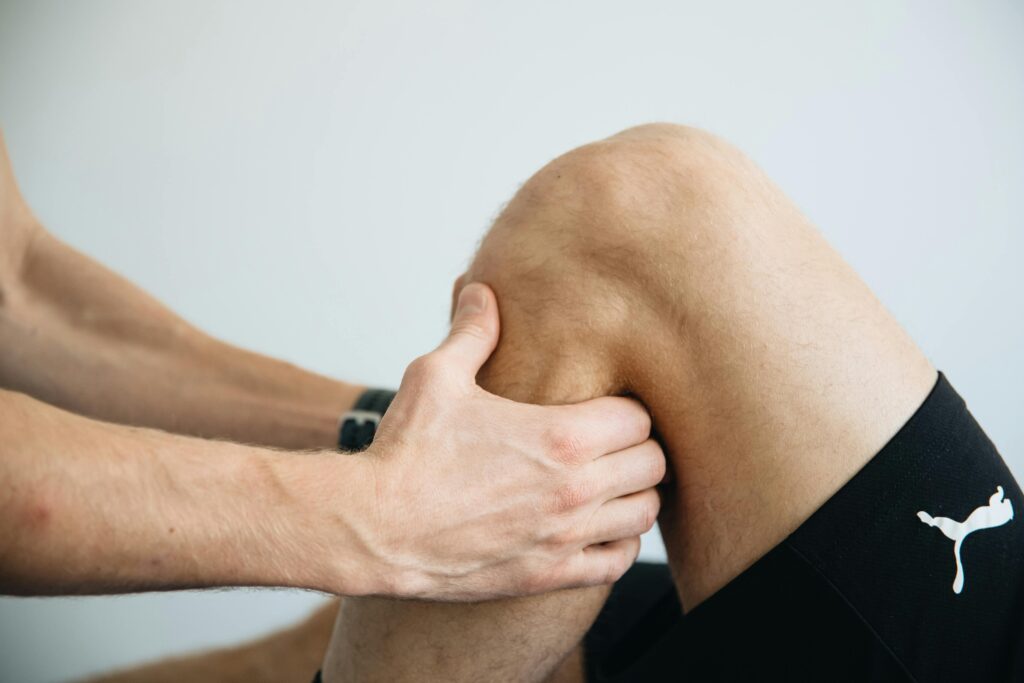
Sports injuries refer to physical damage to the body that occurs during sports or exercise. These injuries can affect muscles, tendons, ligaments, and bones, impacting an athlete’s ability to perform.
1. Poor Training Practices
2. Improper Technique
3. Lack of Conditioning
4. Equipment Issues
The symptoms of sports injuries can vary based on the type and severity of the injury but may include:
Diagnosing a sports injury typically involves:
Medical History: Discussing the injury’s onset, symptoms, and any previous injuries.
Physical Examination: Assessing the range of motion, strength, and areas of tenderness.
Imaging Tests: X-rays, MRI, or ultrasound may be used to evaluate the extent of the injury.
A physical therapist can design a rehabilitation program focusing on:
To reduce the risk of future injuries, consider these strategies: