
Sacroiliac (SI) injuries involve the sacroiliac joint, which connects the lower spine to the pelvis. These injuries can cause significant discomfort and impact daily activities, particularly in those who engage in heavy lifting, repetitive movements, or high-impact sports. Understanding the nature of sacroiliac injuries, recognizing the symptoms, and exploring effective rehabilitation options are crucial for recovery.
The sacroiliac joint is located at the base of the spine, where the sacrum meets the ilium (the largest bone in the pelvis). This joint is essential for transferring weight and forces between the upper body and lower extremities. It plays a vital role in stability and movement, especially during activities like walking, running, and climbing.
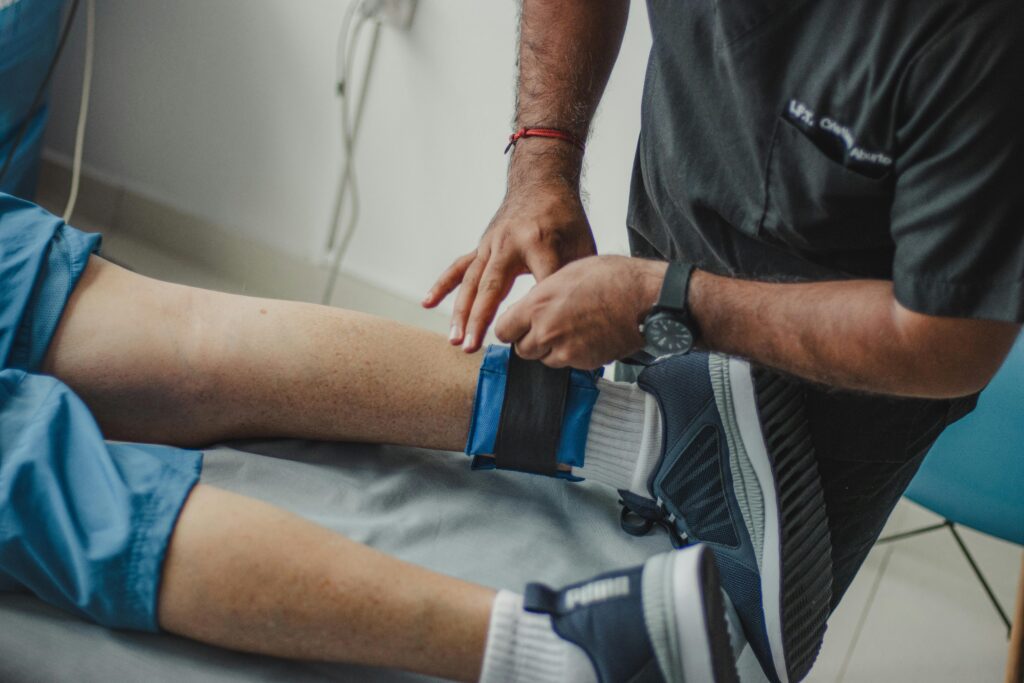
Individuals with sacroiliac injuries may experience a range of symptoms, including:
Diagnosing a sacroiliac injury typically involves:
Discussing symptoms, lifestyle, and any previous injuries or conditions.
Assessing the range of motion, areas of tenderness, and pain during specific movements.
X-rays, MRI, or CT scans may be utilized to rule out other conditions and evaluate the joint’s health.
Treatment can vary based on the severity of the injury. Common options include:
For mild to moderate injuries, conservative treatment may be effective:
A physical therapist can develop a personalized rehabilitation program focusing on:
If conservative treatments fail to provide relief, surgical intervention may be an option:
Rehabilitation is essential for optimal recovery and involves several key components:
Rest and Protection: Avoiding activities that could further irritate the SI joint is crucial. Gentle Range of Motion Exercises: These can help maintain flexibility without stressing the joint.
As healing progresses, physical therapy will focus on: Strengthening the Core and Hip Muscles: Building strength in these areas helps support the pelvis and sacroiliac joint. Functional Training: Activities that mimic daily tasks can improve overall function and stability.
Gradual Reintroduction: Slowly returning to sports or high-impact activities is essential to prevent re-injury. Monitoring Symptoms: Staying aware of any pain or discomfort during activities is vital for managing the condition.
To reduce the risk of future injuries, consider these strategies:

The sacroiliac joint is located at the base of the spine, where the sacrum meets the ilium (the largest bone in the pelvis). This joint is essential for transferring weight and forces between the upper body and lower extremities. It plays a vital role in stability and movement, especially during activities like walking, running, and climbing.
Trauma:
Repetitive Stress:
Pregnancy:
Arthritis:
Leg Length Discrepancy:
Individuals with sacroiliac injuries may experience a range of symptoms, including:
Diagnosing a sacroiliac injury typically involves:
Medical History: Discussing symptoms, lifestyle, and any previous injuries or conditions.
Physical Examination: Assessing the range of motion, areas of tenderness, and pain during specific movements.
Imaging Tests: X-rays, MRI, or CT scans may be utilized to rule out other conditions and evaluate the joint’s health.
A physical therapist can develop a personalized rehabilitation program focusing on:
To reduce the risk of future injuries, consider these strategies: