
Rotator cuff injuries are among the most common shoulder problems, affecting individuals of all ages, especially those engaged in overhead activities or sports. The rotator cuff comprises a group of four muscles and their associated tendons that stabilize the shoulder and enable a wide range of movements. Understanding the nature of these injuries, recognizing the symptoms, and exploring effective rehabilitation options are crucial for recovery.
The rotator cuff consists of four main muscles:
These muscles work together to stabilize the shoulder joint and allow for arm movement. Injuries can occur due to acute trauma or chronic wear and tear, often leading to pain and functional limitations.
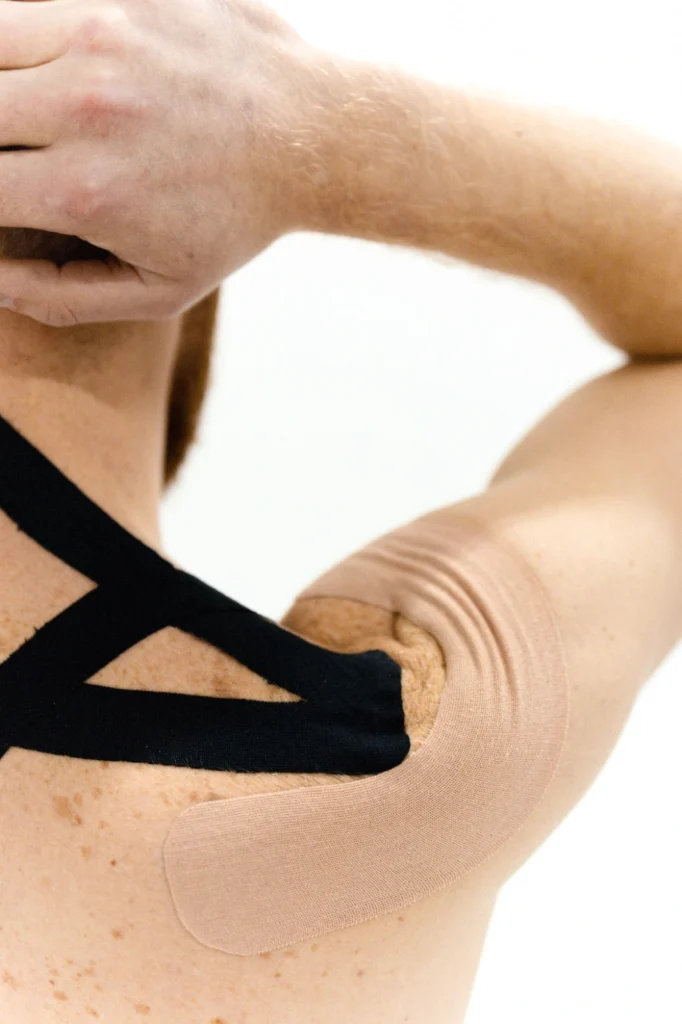
Individuals with rotator cuff injuries may experience a variety of symptoms, including:
Diagnosing a rotator cuff injury usually involves:
Discussing symptoms and activities that may have contributed to the injury.
Assessing shoulder strength, range of motion, and areas of tenderness.
X-rays, MRI, or ultrasound may be conducted to confirm the diagnosis and evaluate the extent of the injury.
Treatment can vary based on the severity of the injury. Options include:
For mild to moderate injuries, conservative treatment may be sufficient:
A physical therapist can create a personalized rehabilitation program focusing on:
If conservative treatments fail, surgical intervention may be necessary:
If surgery is performed, rehabilitation is vital for optimal recovery. Key components include:
Immobilization: A sling may be used to protect the shoulder initially. Gentle Range of Motion Exercises: Passive movements can help maintain flexibility without stressing the healing tissues.
As healing progresses, physical therapy will focus on: Strengthening Exercises: Gradually increasing resistance to rebuild muscle strength around the shoulder. Functional Training: Activities that mimic daily tasks to improve overall shoulder function.
Gradual Reintroduction: Slowly returning to sports or overhead activities, ensuring proper technique to prevent re-injury.
To reduce the risk of future injuries, consider the following strategies:
What is the Rotator Cuff?: The rotator cuff consists of four main muscles:
These muscles work together to stabilize the shoulder joint and allow for arm movement. Injuries can occur due to acute trauma or chronic wear and tear, often leading to pain and functional limitations.
Acute Injury:
Chronic Degeneration:
Aging:
Individuals with rotator cuff injuries may experience a variety of symptoms, including:
Diagnosing a rotator cuff injury usually involves:
Medical History: Discussing symptoms and activities that may have contributed to the injury.
Physical Examination: Assessing shoulder strength, range of motion, and areas of tenderness.
Imaging Tests: X-rays, MRI, or ultrasound may be conducted to confirm the diagnosis and evaluate the extent of the injury.
A physical therapist can create a personalized rehabilitation program focusing on:
To reduce the risk of future injuries, consider the following strategies: