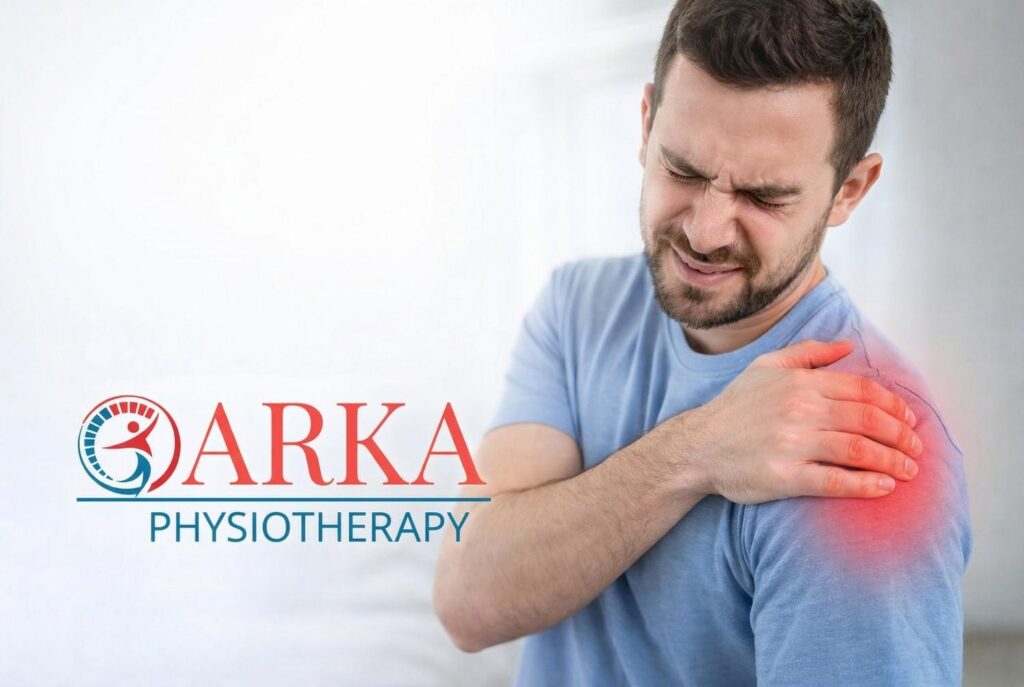
A separated shoulder, medically known as an acromioclavicular (AC) joint separation, is a common injury, particularly among athletes and those who experience a fall directly onto the shoulder. While the name sounds severe, most cases can be treated effectively without surgery. The key to a successful recovery is understanding the injury, following a structured treatment plan, and committing to a dedicated physiotherapy program. This comprehensive guide will walk you through the stages of healing, highlight the role of Canadian physiotherapy services, and detail the best exercises to get you back to full strength.
Understanding Your Injury: What is a Separated Shoulder?
The AC joint is where the collarbone (clavicle) meets the highest part of the shoulder blade (acromion). A separated shoulder occurs when the ligaments connecting these two bones are stretched or torn, causing the clavicle to shift out of alignment. This injury is graded based on severity, which directly influences the treatment and recovery timeline [1].
| Grade | Severity | Description | Typical Treatment |
| Grade I | Mild | Ligaments are stretched, but the joint remains aligned. | Non-surgical (Rest, Ice, Sling) |
| Grade II | Moderate | Partial tear of the AC ligament; slight misalignment. | Non-surgical (Rest, Ice, Sling, Physio) |
| Grade III | Severe | Complete tear of both AC and coracoclavicular (CC) ligaments; noticeable bump. | Non-surgical or Surgical (depending on patient profile) |
| Grades IV-VI | Very Severe | Complete tears with significant displacement of the clavicle. | Surgical |
For the vast majority of patients with Grade I, II, and even many Grade III injuries, the path to healing is non-surgical, relying heavily on conservative management and rehabilitation [2].
The Road to Recovery: Treatment Stages
Healing a separated shoulder is a phased process that moves from protection and pain management to restoring full strength and function. Adherence to this structured approach is critical for preventing chronic pain and instability.
Phase 1: Protection and Pain Relief (Acute Stage)
The immediate goal is to reduce pain and swelling and protect the joint from further damage. This phase typically lasts one to three weeks, depending on the injury’s grade.
• Rest and Immobilization: The injured arm is typically placed in a sling to keep the joint still and allow the torn ligaments to begin healing. It is essential to follow your doctor’s instructions on how long to wear the sling.
• Ice Therapy: Applying ice to the affected area for 15–20 minutes several times a day helps to manage inflammation and pain.
• Medication: Over-the-counter non-steroidal anti-inflammatory drugs (NSAIDs), such as ibuprofen, can help manage pain and swelling.
Phase 2: Restoring Range of Motion (Sub-Acute Stage)
Once the initial pain subsides, usually around the two-week mark, the focus shifts to gently restoring movement to the shoulder. This is where physiotherapy becomes indispensable.
• Passive and Active-Assisted Range of Motion (ROM): Your physiotherapist will guide you through gentle exercises, such as pendulum swings and wall crawls, to prevent stiffness without stressing the healing ligaments.
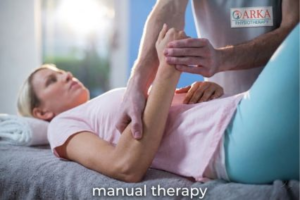
• Manual Therapy: A physiotherapist may use hands-on techniques to mobilize the joint and surrounding soft tissues, which can help reduce pain and improve mobility [3].
Phase 3: Strengthening and Functional Return (Rehabilitation Stage)
This is the longest and most crucial phase, often lasting six weeks to six months. The goal is to rebuild the strength of the muscles surrounding the shoulder joint, ensuring long-term stability and function.
• Targeted Strengthening: Exercises will focus on the rotator cuff and the scapular (shoulder blade) stabilizers. Strong scapular muscles are vital for supporting the AC joint and preventing re-injury.
• Functional Training: As strength improves, exercises will progress to mimic daily activities and, eventually, sport-specific movements.
Physiotherapy for Separated Shoulder in Canada
In Canada, physiotherapy is the cornerstone of non-surgical separated shoulder treatment. Canadian physiotherapists are highly trained in orthopedic rehabilitation and will create a customized plan tailored to your specific injury grade and lifestyle.
Finding Specialized Care Near You
To find a clinic specializing in separated shoulder treatment, you can search for “AC joint separation treatment” or “physiotherapy for shoulder separation” along with your city. Many large national networks and specialized local clinics offer this service:
Companies like Arka physiotherapy ensuring consistent, high-quality care.
• Specialized Clinics: Major cities often have clinics with a focus on sports medicine and complex orthopedic injuries. For example, A typical Canadian physiotherapy treatment plan will include a combination of:
1 Comprehensive Assessment: To determine the exact grade of injury and your current functional limitations.
2 Hands-on Treatment: Including soft tissue massage, joint mobilization, and dry needling (if appropriate).
3 Therapeutic Exercise: A progressive program of exercises to restore strength and endurance.
4 Education: Guidance on posture, activity modification, and long-term injury prevention.
Best Exercises and Equipment for Faster Healing
While your physiotherapist will provide a personalized program, here are some common exercises and equipment that aid in the healing process. Always consult your healthcare provider or physiotherapist before starting any new exercise.
Essential Equipment
• Sling: Used for initial immobilization.
• Ice/Cold Pack: For managing acute pain and swelling.
• Resistance Bands (TheraBands): Excellent for progressive strengthening without heavy weights.
• Light Dumbbells (1-5 lbs): Used for early strengthening exercises.
Key Exercises (Progression)
| Stage | Exercise | Purpose |
| Early ROM | Pendulum Swings | Gentle movement to prevent stiffness |
| Wall Crawls | Gradually increase active-assisted range of motion. | |
| Intermediate Strength | Scapular Squeezes | Strengthen the muscles that stabilize the shoulder blade. |
| Isometric Holds | Build strength without moving the joint (e.g., pressing against a wall). | |
| Advanced Strength | Band External Rotation | Strengthen the rotator cuff for stability. |
| Light Dumbbell Rows | Rebuild overall back and shoulder strength. |
Frequently Asked Questions (FAQs)
1.What physiotherapy services in Canada offer treatment plans for separated shoulders?
Most licensed physiotherapy clinics in Canada offer treatment plans for separated shoulders (AC joint separation). Look for clinics that specialize in orthopedic rehabilitation or sports medicine. Arka Physiotherapy In Surrey. These clinics provide customized, evidence-based rehabilitation programs that include manual therapy and progressive strengthening exercises.
2.Where can I find physiotherapy clinics specializing in separated shoulder treatment near me?
The best way to find a specialized clinic is to use online search tools with specific keywords. Try searching:
• “[Your City] AC Joint Separation Physiotherapy”
• “[Your City] Sports Medicine Shoulder Rehab”
• “Physiotherapy for separated shoulder near me”
You can also ask your family doctor or orthopedic specialist for a referral to a trusted local clinic. Always check if the clinic’s physiotherapists have post-graduate training in manual therapy or sports rehabilitation.
3.What exercises and equipment can help heal a separated shoulder faster?
While you cannot truly “speed up” the biological healing process, you can optimize it with the right exercises and equipment.
Equipment: A sling for initial protection, ice packs for inflammation, and resistance bands (TheraBands) for progressive strengthening are essential.
Exercises: The most effective exercises are those that restore pain-free range of motion (like pendulum swings and wall crawls) and then progressively strengthen the scapular stabilizer muscles (like scapular squeezes and light dumbbell rows). The key is consistency and following the progression plan set by your physiotherapist. Starting strengthening too early or aggressively can hinder healing.
Conclusion
Healing a separated shoulder is a journey that requires patience and commitment. By understanding the severity of your injury, diligently following the phased treatment plan, and partnering with a skilled Canadian physiotherapist, you can expect to regain full function and return to your normal activities. Remember that conservative treatment is highly successful for most AC joint separations, and a structured rehabilitation program is your best tool for a complete recovery.
References
[1] My Cleveland Clinic. Separated Shoulder: Symptoms, Treatment & Recovery. [URL: https://my.clevelandclinic.org/health/diseases/17909-separated-shoulder] [2] Lattimore PT. How Long to Recover from AC Joint Separation. [URL: https://lattimorept.com/how-long-to-recover-from-ac-joint-separation/] [3] Propel Physiotherapy. AC Joint Separation Treatment. [URL: https://propelphysiotherapy.com/orthopedic/shoulder/ac-joint-separation-treatment/] [4] South Vancouver Physiotherapy Clinic. How to Manage a Shoulder Separation. [URL: https://southvanphysio.com/how-to-manage-a-shoulder-separation/] [5] Prana Physiotherapy. Acromioclavicular Separation (Separated Shoulder). [URL: https://pranaphysiotherapy.ca/library_shoulder_34/]