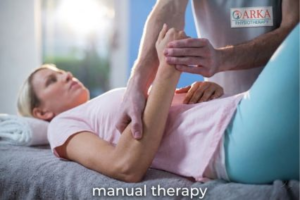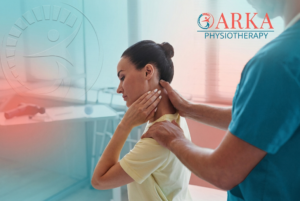
When you think of “physiotherapy,” what’s the first thing that comes to mind? For many, it’s a mental image of lying on a padded table while a therapist applies heat packs, performs a massage, or guides them through a few gentle, passive stretches.
While those treatments feel great and certainly have a role in the early stages of healing, they are only one small piece of a much larger puzzle. If you want to move past “temporary relief” and achieve a recovery that actually lasts, you need to shift your perspective. You need to move beyond passive care and embrace active rehabilitation physiotherapy.
Active rehabilitation is a dynamic, empowering approach that shifts you from being a passenger in your recovery to being the driver. It’s about more than just silencing pain for a few hours; it’s about identifying why that pain started in the first place and building a body that is strong enough to ensure it doesn’t come back.
The Comfort (and the Limits) of Passive Treatment
Passive treatments—which include things like manual therapy, massage, ultrasound, and TENS (Transcutaneous Electrical Nerve Stimulation)—are often the “hook” that gets people into a clinic. They are incredibly effective at providing immediate, short-term pain relief and cooling down inflammation.
These modalities work by:
- Relaxing tight muscles: Helping your nervous system “calm down” after an injury.
- Improving circulation: Boosting blood flow to injured tissues to create a better environment for healing.
- Reducing pain signals: Giving you a “window of opportunity” where you can move without intense discomfort.
However, there is a catch. Passive treatments alone rarely address the underlying issues that caused the injury. If your back hurts because you have a weak core, poor desk posture, or significant muscle imbalances, a massage might make you feel better for a day or two, but those structural problems will still be there when the massage wears off. This is exactly where active rehabilitation steps in to bridge the gap.
The Power of an Active Approach
Active rehabilitation is built on the philosophy of empowerment. Instead of someone “fixing” you, it is a collaborative partnership between you and your physiotherapist. Together, you work through specific movements and exercises designed to overhaul how your body functions.
1. Strengthening the “Support System”
Many injuries occur because specific muscles aren’t doing their fair share of the work. When your muscles aren’t providing adequate support to your joints, those joints take the brunt of the impact. Active rehab targets these “weak links,” improving stability and significantly reducing the risk of a repeat injury.
2. Restoring Range of Motion
Stiffness is the enemy of movement. Through targeted stretching and mobility drills, active rehabilitation helps restore your body’s natural movement patterns. This isn’t just about being flexible; it’s about making sure your joints can move through their full, intended range without hitches or pain.
3. Balancing the Musculoskeletal System
Think of your muscles like the cables holding up a bridge. If the cables on one side are too tight and the other side is too loose, the bridge begins to lean. Active rehab identifies these imbalances—where some muscles are overworked and others are “switching off”—and restores symmetry to your body.
4. Refining Body Mechanics
How do you sit? How do you lift a grocery bag? How do you run? By learning more efficient ways to move and maintaining proper alignment, you reduce the daily “wear and tear” on your joints. This proactive adjustment is what prevents future problems from surfacing years down the line.
Why “Active” is the Gold Standard for Recovery
Taking an active role in your physical therapy doesn’t just help your injury; it changes your entire relationship with your health. The benefits are comprehensive:
- Faster and Deeper Recovery: By attacking the root cause rather than just chasing symptoms, you often find that the total time spent in recovery is shortened, and the results are far more complete.
- Built-In Injury Prevention: A stronger, better-aligned body is a resilient body. You aren’t just “not hurt”; you are physically more capable of handling stress and activity than you were before.
- A Healthier Lifestyle: Active rehab often serves as a “reset button,” helping people transition into a more active, vibrant way of living.
- Mental Empowerment: There is a profound psychological benefit to knowing that you are the reason you feel better. Gaining control over your body builds confidence and reduces the fear of movement that often follows an injury.
What Does an Active Rehab Program Actually Look Like?
You won’t find a “cookie-cutter” active rehab program. Because every body is different, your physiotherapist will begin with a comprehensive assessment to map out your specific strengths and weaknesses. From there, they design a roadmap that is safe, progressive, and effective for your specific goals.
Typically, a program involves a mix of the following:
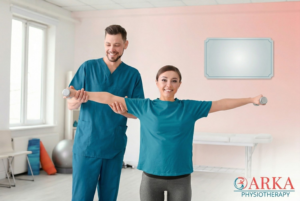
- Strength Training: This isn’t necessarily “bodybuilding.” It involves using resistance bands, light weights, or even just your own body weight to build the necessary muscle tone to protect your joints.
- Flexibility & Mobility: Specific stretches designed to target your tightest areas and improve your overall “flow” of movement.
- Balance & Coordination: Crucial for neurological health and stability, these exercises help prevent falls and keep you “sure-footed” during sports or daily activities.
- Functional Exercises: These are movements that mimic what you actually do in real life—whether that’s picking up a child, swinging a golf club, or sitting at a computer for eight hours.
Ready to Take the Next Step?
If you feel like you’ve been stuck in a cycle of temporary fixes—getting a massage, feeling better for two days, and then ending up right back where you started—it’s time for a change.
Active rehabilitation physiotherapy is the path forward for anyone ready to take ownership of their health. By partnering with a skilled physiotherapist, you can develop a personalized strategy that doesn’t just heal your current injury, but builds a stronger, more resilient “you” for the future.
Don’t just settle for feeling “less pain.” Aim for feeling your best.