Motor Vehicle Accident Rehabilitation: 7 Key Aspects of Recovery
Motor vehicle accidents (MVAs) can leave lasting physical and emotional effects, ranging from whiplash and soft tissue injuries to fractures, spinal trauma, and psychological distress.Even seemingly minor collisions may lead to injuries such as whiplash, back pain, neck stiffness, muscle strains, joint injuries, or concussions that interfere with everyday activities.
Motor vehicle accident rehabilitation is the structured process that helps patients regain mobility, strength, and confidence after a crash. Whether you’ve been in a minor fender-bender or a serious collision, understanding how car accident physiotherapy and rehab work can help you make informed decisions about your recovery journey.
Whether you’ve experienced a minor fender bender or a more serious collision, understanding the rehabilitation process can improve your recovery and reduce the risk of long-term complications at ARKA Physiotherapy, Panorama Ridge, Canada
Common Motor Vehicle Accident Injuries
Motor vehicle accidents introduce a distinct set of injury risks due to the sudden force involved in a collision even at low speeds. Two of the most common are whiplash and herniated discs, both of which can have symptoms that appear days after the crash.
Whiplash
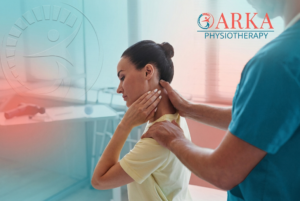
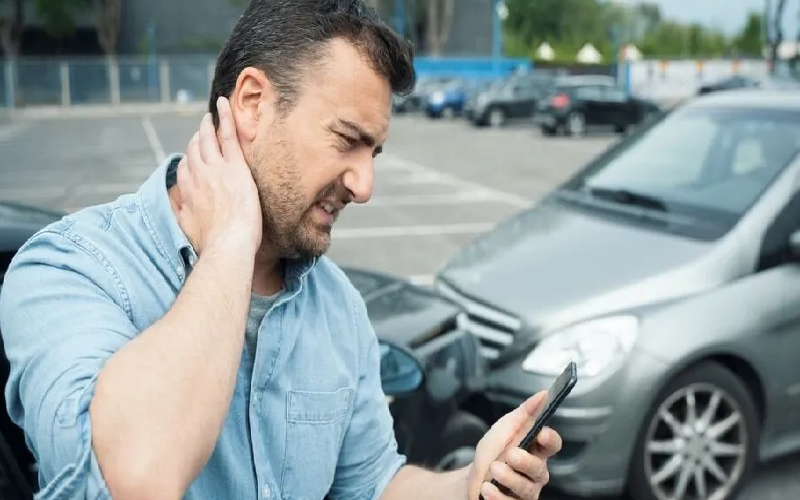
Whiplash is one of the most common injuries in rear-end collisions. The sudden back-and-forth motion of the head strains the neck’s muscles and ligaments, leading to stiffness, headaches, and reduced range of motion. Whiplash symptoms don’t always appear immediately, which is why medical evaluation after any collision, even a minor one is strongly recommended.
Herniated Discs
The force of a car accident can cause spinal discs to bulge or rupture, a condition known as a herniated disc. This can compress nearby nerves, causing sharp pain, numbness, or weakness that radiates into the arms or legs. Herniated discs often require ongoing treatment, from physical therapy to, in severe cases, surgical intervention.
Why Is Motor Vehicle Accident Rehabilitation Important?
After an accident, your body begins healing immediately. However, without appropriate rehabilitation, scar tissue, muscle weakness, joint stiffness, and poor movement patterns may develop, leading to chronic pain and reduced function.
A structured rehabilitation program can help:
- Reduce pain and inflammation
- Improve mobility and flexibility
- Restore muscle strength
- Enhance balance and coordination
- Prevent chronic pain
- Promote faster recovery
- Support a safe return to work and recreational activities
Early intervention often leads to better long-term outcomes.
In this guide, we break down the seven core aspects of MVA rehabilitation and explain how each one supports a faster, safer, and more complete recovery.
1. Initial Assessment: The Foundation of Recovery
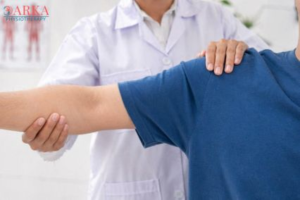
Every successful post-accident rehabilitation program begins with a comprehensive evaluation by a qualified healthcare professional. This initial assessment typically covers:
- Medical History Review – Documenting prior injuries, surgeries, and existing medical conditions that may affect treatment.
- Physical Examination – Assessing strength, flexibility, and pain points through targeted clinical tests.
- Functional Assessment – Evaluating the ability to perform everyday movements like walking, sitting, bending, and lifting.
- Range of Motion Testing: Measures joint movement to identify stiffness and mobility limitations.
- Muscle Strength Assessment: Evaluates muscle power to detect weakness and track recovery.
- Neurological Screening: Checks nerve function, reflexes, sensation, and muscle control for signs of injury.
This assessment forms the foundation of an individualized recovery plan. Healthcare providers use these findings to identify the most effective treatment pathway for each patient.
Why early intervention matters: Starting rehabilitation soon after an accident significantly improves long-term outcomes. Early assessments can catch hidden issues — such as fractures, ligament damage, or internal injuries — before they become chronic problems, making early motor vehicle accident injury treatment a critical step in any recovery plan.
2. Developing a Customized Treatment Plan
No two accidents or patients are the same, which is why personalized rehabilitation plans are essential. After the initial evaluation, your care team designs a treatment roadmap built around your specific injuries and goals.
Key elements of a customized plan include:
- Clear Recovery Goals – Measurable objectives like improved range of motion, reduced pain, or restored strength.
- Realistic Timelines – Recovery expectations based on injury severity and overall health.
- Multiple Treatment Modalities – A combination of therapies tailored to your needs, such as:
Physical therapy to restore mobility and function
Pain management strategies, including alternative therapies and counseling
A well-structured, individualized treatment plan ensures every patient receives the right care at the right time.
3. Physical Therapy: Rebuilding Strength and Mobility
Physical therapy after a car accident is one of the most important pillars of rehabilitation. Skilled physical therapists design programs that address both strength and flexibility.
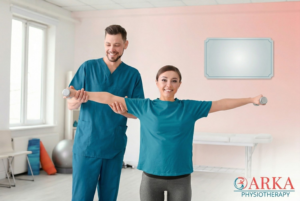
Strengthening Exercises Targeted exercises help rebuild muscle strength around injured areas. Common techniques include resistance training, bodyweight exercises, and therapeutic movements specific to the affected region.
Flexibility Training Stretching routines reduce stiffness and restore range of motion, helping patients move safely and comfortably as they heal.
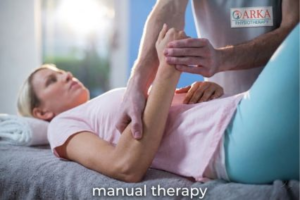
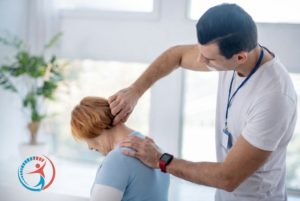
Manual Therapy Techniques Hands-on treatments such as joint mobilization, soft tissue manipulation, and myofascial release help relieve pain and promote circulation and healing in injured tissues.
Education on Body Mechanics Physical therapists also teach proper posture and safe movement techniques including how to lift, bend, and move correctly to prevent re-injury and support long-term spinal and joint health.
4. Pain Management Techniques: A Multi-Pronged Approach
Effective pain management after a car accident often combines conventional and complementary therapies for the best results.
Alternative Therapies
- Massage Therapy – Reduces muscle tension and promotes relaxation through techniques like Swedish massage or deep tissue therapy.
Lifestyle Modifications
- Regular Physical Activity – Low-impact exercises such as walking or swimming support healing and prevent deconditioning.
- Healthy Nutrition – An anti-inflammatory diet rich in whole foods can accelerate tissue repair and overall recovery.
- Kinesiology for Motor Vehicle Accident (MVA) Rehabilitation
Kinesiology is a cornerstone of effective motor vehicle accident (MVA) rehabilitation, using active, evidence-based movement therapy to restore strength, flexibility, and mobility after a car accident. As a proven approach to chronic pain management, kinesiology helps correct muscle imbalances, rebuild functional movement patterns, and support long-term recovery. It’s particularly effective for treating common MVA-related injuries such as whiplash and concussions, helping patients regain range of motion, reduce pain, and return to daily activities safely.
6. The Role of Multidisciplinary Teams
The most successful MVA rehabilitation programs rely on a collaborative, multidisciplinary approach. This team-based model ensures every dimension of recovery — physical, functional, and emotional is addressed, leading to better long-term outcomes and a smoother return to everyday life.
Tips for a Faster Recovery After a Motor Vehicle Accident
Support your rehabilitation by following these healthy habits:
- Attend all scheduled rehabilitation sessions.
- Stay physically active within your healthcare provider’s recommendations.
- Perform home exercises consistently.
- Maintain good posture throughout the day.
- Stay hydrated and eat a balanced diet.
- Get adequate sleep to support tissue healing.
- Avoid smoking, as it can slow recovery.
- Communicate openly with your healthcare team about your symptoms and progress.
Small, consistent efforts can make a significant difference over time.
When Should You Seek Medical Attention?
Seek prompt medical evaluation if you experience:
- Severe or worsening pain
- Numbness or tingling in the arms or legs
- Muscle weakness
- Difficulty walking
- Persistent dizziness
- Severe headaches
- Loss of bladder or bowel control
- Confusion or memory problems after a head injury
These symptoms may indicate a more serious injury requiring urgent medical care.
Why Choose Professional MVA Rehabilitation?
Motor vehicle accidents can affect every aspect of life — physically, emotionally, and functionally. A structured, evidence-based rehabilitation program addresses all of these dimensions through:
✔ Comprehensive initial assessment
✔ Personalized treatment planning
✔ Targeted physical and occupational therapy
✔ Psychological support and counseling
✔ Evidence-based pain management
✔ Coordinated multidisciplinary care
Recovering in BC? Your ICBC Coverage Has You Covered
If you’re a British Columbia resident injured in a motor vehicle accident, you don’t have to navigate recovery alone — or worry about upfront costs. Under ICBC’s Enhanced Accident Benefits, most rehabilitation services are covered from day one, regardless of who was at fault.
Here’s what that means for your recovery at ARKA Physiotherapy:
Start treatment immediately — no referral needed. Anyone injured in a crash is pre-approved for physiotherapy, massage therapy, acupuncture, kinesiology, chiropractic care, counselling, and psychology for the first 12 weeks after the accident — without needing a doctor’s referral first. The sooner you start, the better your outcomes.
Need longer than 12 weeks?
If your injuries require extended care, your ARKA treatment team works directly with your ICBC recovery specialist to apply for a benefit extension. For complex cases, ICBC may arrange a Comprehensive Medical Assessment to support your continued coverage.
Get Started on Your Recovery Journey at Physiotherapy Clinic, Surrey, BC
If you or a loved one has been involved in a motor vehicle accident and needs expert rehabilitation support, ARKA Physiotherapy, Panorama Ridge, Canada is here to help. Our experienced team specializes in creating tailored treatment plans that address both the physical and emotional aspects of recovery.
Don’t wait to start healing. Contact ARKA Physiotherapy today at Sullivan Station to schedule a consultation and take the first confident step toward restoring your strength, mobility, and quality of life.
Frequently Asked Questions (FAQs)
- How soon after a motor vehicle accident should I start rehabilitation?
Ideally, rehabilitation should begin as soon as a healthcare professional clears you for treatment — often within days of the accident. Early intervention helps prevent stiffness, chronic pain, and long-term complications, and allows hidden injuries to be identified and addressed promptly.
- What types of injuries does MVA rehabilitation treat?
MVA rehabilitation addresses a wide range of injuries, including whiplash, soft tissue injuries, fractures, spinal injuries, joint damage, and concussions. It also supports patients dealing with chronic pain, reduced mobility, and psychological effects like anxiety or PTSD following the accident.
- How long does motor vehicle accident rehabilitation take?
Recovery timelines vary widely depending on the severity of the injury, the patient’s overall health, and adherence to the treatment plan. Minor injuries may resolve within a few weeks, while more serious injuries can require several months of physical therapy, occupational therapy, and ongoing pain management.
- What is the difference between physical therapy and occupational therapy after a car accident?
Physical therapy focuses on restoring strength, flexibility, and mobility through exercises and manual therapy techniques. Occupational therapy focuses on helping patients regain independence in daily activities, such as self-care, household tasks, and returning to work, including cognitive rehabilitation if needed.
- Is psychological support really necessary after a car accident?
Yes. Many accident survivors experience anxiety, depression, or PTSD, even after their physical injuries heal. Counseling, Cognitive Behavioral Therapy (CBT), and support groups play a vital role in addressing the emotional and psychological impact of the trauma, supporting a complete recovery.
- What pain management options are available besides medication?
Many rehabilitation programs incorporate alternative therapies such as acupuncture and massage therapy, along with lifestyle modifications like low-impact exercise and anti-inflammatory nutrition, to manage pain naturally and reduce reliance on medication.
- Do I need a referral to start MVA rehabilitation?
Requirements vary by clinic and insurance provider. Many physiotherapy and rehabilitation clinics, including ARKA Physiotherapy, can guide you through the process, whether you have a physician’s referral or are seeking an initial assessment directly.
- Will insurance cover motor vehicle accident rehabilitation?
In many cases, motor vehicle accident rehabilitation is covered through auto insurance, personal injury claims, or health insurance, depending on your location and policy. It’s best to consult with your provider or rehabilitation clinic to understand your specific coverage options.
- What does a multidisciplinary rehabilitation team include?
A multidisciplinary team typically includes physiatrists, physical therapists and occupational therapists. This collaborative approach ensures that physical, functional, and emotional aspects of recovery are all addressed together for better outcomes.
- How do I know if I need rehabilitation after a minor car accident?
Even minor accidents can cause hidden injuries like whiplash or soft tissue damage that may not be immediately apparent. If you experience pain, stiffness, reduced range of motion, headaches, or emotional distress after a crash, it’s worth scheduling an assessment with a rehabilitation professional.