
Neck Pain Physiotherapy Near You in Surrey, BC: Causes, Treatment, and Natural Relief
- Fri Feb 13
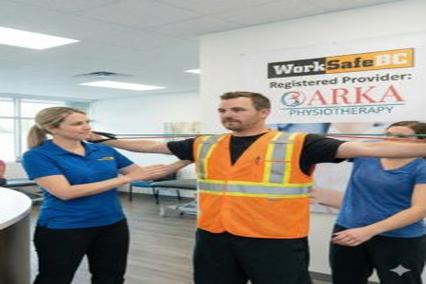
Why Choosing the Right WorkSafe Physiotherapy Clinic Matters
When your WorkSafeBC claim is approved, physiotherapy can help you recover and get back to your usual activities and work tasks safely. At your first visit, the physiotherapist will:
From there, you and your physiotherapist make a treatment plan. This may include:
As you continue, your therapist will check your progress regularly, adjust your exercises, and gradually make them more like your real work activities. The aim is to help you move with more confidence and prepare you for a safe, timely return to work.
If your care is funded by WorkSafeBC, approved sessions are often billed directly to them, so you can focus mainly on treatment and recovery instead of paperwork.
When to Seek WorkSafeBC Support
Many people wait too long to reach out for WorkSafeBC help because they hope their pain will “settle on its own.” Sometimes it does—but if your symptoms are linked to your job, getting support earlier can help protect both your health and your work.
You should consider contacting WorkSafeBC and speaking with your employer as soon as possible if:
WorkSafeBC support is not only for big accidents. It can also help with gradual injuries from repeated tasks—such as long hours at a computer, frequent lifting, or working in awkward positions. If your symptoms seem to ease on days off and flare again when you are back at work, your injury may be work-related and worth reporting.
Key Qualities to Look for in a WorkSafeBC Physiotherapy Clinic
WorkSafeBC-registered and experienced physiotherapists Choose therapists who are registered with WorkSafeBC. They should have experience treating workplace injuries like sprains, fractures, and post-surgical cases. Experienced therapists consider your specific job demands. This allows them to guide you back to work in a safe, step-by-step way.
Direct billing to WorkSafeBC A helpful clinic can often bill WorkSafeBC directly for approved visits. This means you do not have to pay upfront for covered services. Instead, you can focus entirely on your recovery.
Personalized, job-focused treatment plans Your program should be based on your specific injury and job duties. This might include lifting, ladder work, driving, or typing. The plan needs clear goals for pain, movement, and strength. Your therapist should review and adjust this plan every few visits.
Suitable equipment for real-life rehab A WorkSafeBC clinic needs space to practise real work movements. Look for an on-site gym with weights, steps, and pulleys. These tools allow you to simulate common upper and lower-body tasks.
Clear communication and regular progress check Your therapist should explain your condition and plan in simple language. They must check your progress regularly and update your exercises. When needed, they will share updates with your doctor or WorkSafeBC. This supports a safe and timely return to work.
Why Location Matters: Choosing a Clinic Near Sullivan Heights
When you are recovering from a work injury, even a short car ride can feel long. Choosing a WorkSafeBC physiotherapy clinic close to home or work makes it easier to attend your sessions regularly, without long, tiring drives.
A clinic like Arka Physiotherapy, about 5–10 minutes from Sullivan Heights and Panorama, can fit more easily into your day—before or after a shift, or between family responsibilities. Shorter travel times can help you:
Because local physiotherapists understand many common Surrey jobs and workplaces, they can better tailor your treatment to real tasks such as lifting, standing, driving, keyboard work, or ladder use. When needed, they can also offer basic ergonomic advice related to your duties to support a safe, timely return to work.
If you live or work in Sullivan Heights or Panorama and have a WorkSafeBC claim, booking with a nearby clinic can be a practical way to get the care you need with less hassle and more support close to home.
Final Tips – Taking the Next Step
Recovering from a work injury can feel stressful, especially when you are worried about pain, your job, and your income. A few simple steps can make the process easier:
Scheduling an evaluation at Arka Physiotherapy can be a sensible next step if you live or work in Surrey's Sullivan Heights or Panorama region, have a WorkSafeBC claim, or believe your injury may be related to your job.
During your visit, a registered physiotherapist will:
For approved WorkSafeBC claims, Arka Physiotherapy can usually bill WorkSafeBC directly for covered services, so you can focus your energy on treatment and recovery.
If you are unsure where to start, consider booking your first appointment with Arka Physiotherapy to talk through your concerns, review your options, and begin a structured plan toward moving, working, and living with more confidence.
This information is general and does not replace individual medical or physiotherapy advice. Your WorkSafeBC coverage and treatment plan depend on your specific claim and assessment.