
Neck Pain Physiotherapy Near You in Surrey, BC: Causes, Treatment, and Natural Relief
- Fri Feb 13
Sports Injuries: Causes, Recovery, and Sports Injury Physiotherapy Near Me
Sports and physical activity play an important role in maintaining health. They improve strength, mobility, cardiovascular fitness, and mental well-being. However, participation in sports also carries a risk of injury.
Many people searching for sports injury physiotherapy near me are looking for clarity. They want to understand the cause of their injury, how to recover properly, and how to return to activity without setbacks.
Physiotherapy plays a key role in this process. Sports injury physiotherapy focuses on restoring movement, strength, and control so individuals can return to activity safely and progressively.
What Is a Sports Injury?
A sports injury refers to damage to muscles, tendons, ligaments, joints, bones, or nerves that occurs during physical activity or exercise.
Sports injuries are generally classified into acute injuries and overuse injuries.
Common Sports Injuries by Body Region
Ankle sprains are among the most common sports injuries, particularly in sports involving jumping, pivoting, or uneven surfaces.
Recurrent ankle injuries often occur when balance, strength, and control are not fully restored after the initial injury. Targeted rehabilitation is a core part of sports physiotherapy and helps reduce reinjury risk.
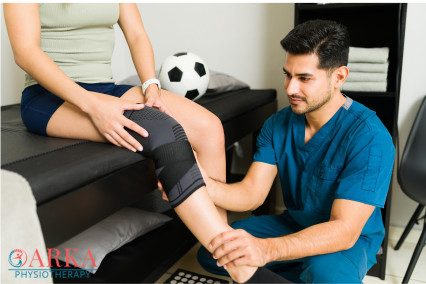
The knee is exposed to high forces during running, jumping, and changes in direction.
Common knee injuries include ligament sprains, meniscus injuries, and overuse-related pain. Many individuals with ongoing knee symptoms benefit from knee pain physiotherapy to address strength deficits and movement patterns contributing to the issue.
Hip and Groin Injuries
Hip and groin pain commonly affects athletes involved in sprinting, kicking, or lateral movement.
These injuries often require structured load management rather than rest alone. Physiotherapy helps guide gradual progression while addressing mobility and strength limitations.
Shoulder injuries are common in overhead and contact sports.
Rotator cuff strains, impingement-related pain, and instability are often linked to poor muscle coordination or excessive training load. Shoulder pain physiotherapy focuses on restoring shoulder control and tolerance to activity.
Sports involving repetitive twisting, lifting, or impact can stress the spine.
Persistent symptoms may benefit from back pain physiotherapy, which emphasizes movement quality, strength, and gradual exposure to load rather than passive treatment alone.
Why Sports Injuries Happen
Sports injuries usually develop due to multiple factors, including:
Identifying these contributors is a key part of a physiotherapy assessment.
Sports Injury Physiotherapy Near Me: What to Expect
People searching for sports injury physiotherapy near me often want to know what actually happens during treatment.
Physiotherapy begins with a detailed assessment of movement, strength, and functional capacity. This allows the physiotherapist to identify contributing factors rather than focusing only on symptoms.
Rehabilitation typically includes:
This approach is central to sports physiotherapy and long-term injury management.
Preventing Sports Injuries
Not all injuries are preventable, but risk can be reduced through:
Programs focused on exercise-based rehabilitation and movement control play an important role in injury prevention.
When to Seek Physiotherapy
You should consider physiotherapy if:
Early assessment often leads to more efficient recovery.
Sports Injury Assessment with a Registered Physiotherapist
If you are dealing with a sports injury, a physiotherapy assessment can help identify contributing factors and guide a safe return to activity.
At Arka Physiotherapy, registered physiotherapists provide individualized care based on assessment findings and patient goals.Book an appointment to discuss your sports injury and recovery options.