Neck Pain Physiotherapy Near You in Surrey, BC: Causes, Treatment, and Natural Relief
- Fri Feb 13
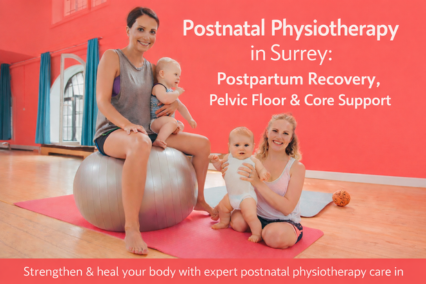
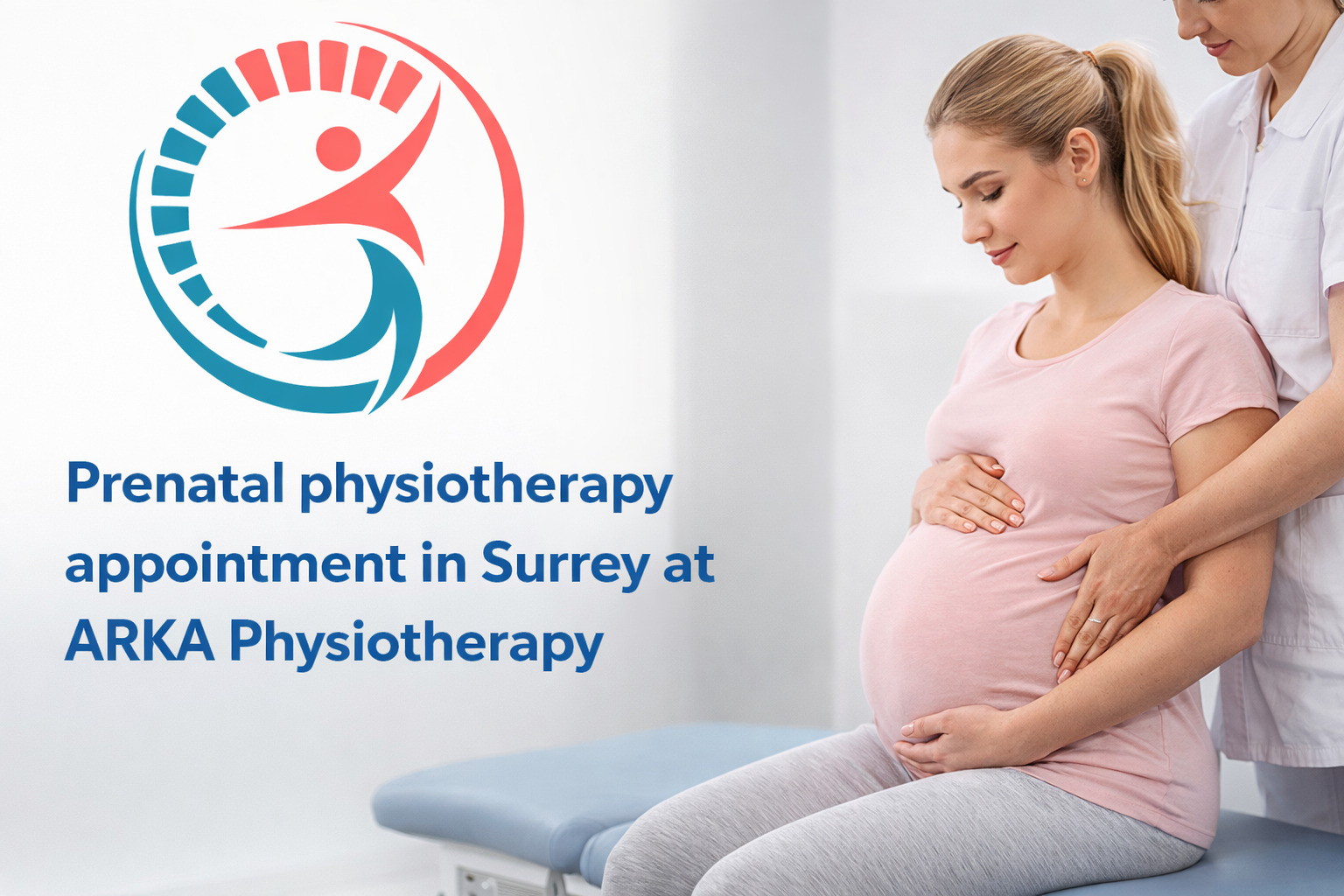
Pregnancy and childbirth create physical demands on the body that can linger long after delivery. Muscles stretch. Joints adapt. The core and pelvic floor change. Many people assume these changes will resolve on their own — but persistent discomfort, weakness, or bladder symptoms often benefit from focused care.
If you’re searching for postnatal physiotherapy near me in Surrey, this guide explains what it is, when it can help, and what to expect. We also link to related women’s health resources from Arka Physiotherapy to support your recovery journey.
What Is Postnatal Physiotherapy?
Postnatal physiotherapy is specialized rehabilitation after childbirth. It focuses on assessing changes in posture, core support, pelvic floor function, and movement patterns. Treatment is not one-size-fits-all — it is based on your specific assessment and recovery needs.
Functional recovery includes restoring coordination, strength, and comfort through movement rather than cosmetic coaching. Evidence-based postpartum care supports safe activity progression and movement retraining (Canadian Society for Exercise Physiology, 2025).
At Arka, postnatal care is delivered within a broader women’s health and pelvic floor physiotherapy program to address the full range of postpartum changes.
Why Postnatal Physiotherapy Matters in Surrey
Pelvic Floor Changes After Childbirth
Pregnancy and delivery can alter the muscles that support the bladder, bowel, and uterus. This can affect urinary control and pelvic comfort.
Symptoms may include:
These symptoms are common but not something you must “just live with.” Targeted care through pelvic floor physiotherapy at Arka focuses on muscle coordination and strength tailored to your examination findings.
Abdominal Separation (Diastasis Recti)
Many birthing persons experience abdominal muscle separation after pregnancy. The clinical focus is not the gap itself but how well the core functions to support daily movement, bending, lifting, and returning to activity.
Postnatal physiotherapy helps re-establish functional load transfer through the trunk and pelvis, reducing strain on the back and pelvic floor.
Back, Hip, and Pelvic Pain
Postpartum musculoskeletal pain is common with carry-and-feed postures, sleep disruption, and body mechanics shifts. Physiotherapy addresses movement patterns, muscle balance, and posture to reduce strain and improve daily comfort.
Cesarean Recovery Considerations
If your delivery included a cesarean section, recovery involves both incision healing and core function. Physiotherapy assessment may include scar mobility work, breathing strategies, and guided support for gradual loading after surgical recovery timelines.
When to Start Postnatal Physiotherapy in Surrey
There is no fixed “correct” time. Some begin in the first 4–8 weeks postpartum. Others start later when symptoms become more noticeable with increased activity.
Current guidelines emphasize that individualized assessment and readiness — not arbitrary timelines — guide safe return to activity (Canadian Society for Exercise Physiology, 2025).
If you’ve searched for postnatal physiotherapy near me in Surrey because discomfort or bladder changes persist, an assessment helps clarify next steps.
What to Expect During Your First Appointment
An initial assessment typically includes:
These elements align with recommended postpartum physiotherapy standards and support personalized recovery planning (Physio-Pedia, n.d.).
Treatment: What It Involves
Postnatal physiotherapy is active and movement-based. Treatment may include:
Arka’s approach integrates postnatal care with broader physiotherapy services, including manual therapy and active rehabilitation. See related services on the Arka services page.
Return to Exercise After Childbirth
Many care providers give general clearance at six weeks postpartum. Clearance does not always equal readiness.
Guided progression reduces the risk of overloading the pelvic floor or core too early. Physiotherapy helps you:
This applies to walking, strength training, yoga, running, and sport.
FAQs
1. Do I need postnatal physiotherapy if I feel mostly fine?
An assessment can identify subtle changes before function is challenged with increased activity.
2. Is pelvic floor physiotherapy painful?
No. Assessments and therapies are performed gently with consent, focusing on comfort and function.
3. Can postnatal physiotherapy help years after childbirth?
Yes. Recovery and functional improvement are possible at many stages post-birth.
4. Is care only for vaginal deliveries?
No. Cesarean recovery often benefits from assessment and guided progression.
5. How many sessions might I need?
It varies based on symptoms, goals, and functional progress.
Ready to Book Your Assessment?
If you are looking for postnatal physiotherapy near me in Surrey, you can take the next step today.
👉 Book an appointment with Arka Physiotherapy to discuss your recovery and create a tailored care plan.
References
Physio-Pedia. (n.d.). Postpartum pelvic floor considerations. https://www.physio-pedia.com/Postpartum_Pelvic_Floor_Considerations
Canadian Society for Exercise Physiology. (2025). Canadian guideline for physical activity, sedentary behaviour and sleep throughout the first year postpartum. https://csep.ca/2025/06/24/guideline-for-postpartum/
Health Canada. (2018). Family-centred maternity and newborn care: National guidelines – Postpartum care. https://www.canada.ca/en/public-health/services/publications/healthy-living/maternity-newborn-care-guidelines-chapter-5.html