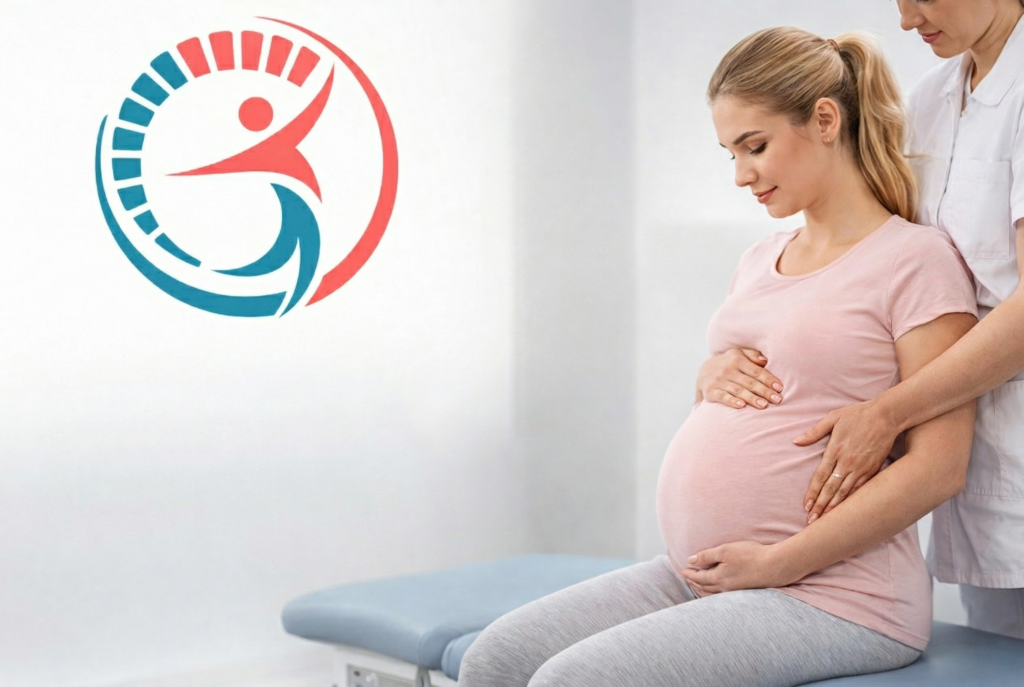
Pregnancy changes how you move. Your joints get a bit looser. Your ribcage and hips adapt. Your centre of mass shifts forward. Your pelvic floor and abdominal wall manage different pressure every week.
For a lot of people, that shows up as back pain, pelvic pain, heaviness, leaking, or the feeling that exercise suddenly “doesn’t fit” the way it used to.
Prenatal physiotherapy is about keeping you functional and comfortable through those changes. It’s not a promise of a perfect pregnancy. It’s practical care: assessment, treatment, targeted exercise, and clear guidance so you can keep living your life with less pain and more confidence.
At ARKA Physiotherapy, we see many prenatal clients from Surrey’s Sullivan and Panorama neighbourhoods (and nearby areas) who want help staying active, managing symptoms, and preparing for delivery and postpartum recovery.
If you’re pregnant and dealing with pain, leaking, heaviness, or uncertainty about exercise, this is for you.
What is prenatal physiotherapy?
Prenatal physiotherapy is physiotherapy adapted to pregnancy. It usually includes:
- A movement and strength assessment (how you stand, breathe, lift, walk, and load your hips and trunk)
- Treatment for common pregnancy-related pain (low back, pelvic girdle/SI joint, hip, rib, wrist)
- Guidance for safe activity and strength training across trimesters
- Pelvic floor and core coaching (with options, and only with consent)
- Labour prep strategies (positions, breathing, pelvic floor coordination)
- A postpartum starter plan so you’re not guessing after delivery
You should expect straightforward information that’s accurate and not exaggerated. In BC, physiotherapy marketing is expected to be truthful, accurate, and not misleading.
If you’re looking for general physio support (pregnant or not), start here: Physiotherapy
Why people in pregnancy book physiotherapy
You don’t need to be in crisis to benefit. Many people book because they want a plan before symptoms get loud. Others book because they’re already uncomfortable and want clear answers.
Here are the most common prenatal reasons we see in clinic:
1) Low back pain
A changing posture and increased load can irritate the low back. Treatment often focuses on hip strength, trunk control, and simple changes to how you move through your day.
If back pain is your main issue, you might also like: Back pain physiotherapy in Surrey (blog)
2) Pelvic girdle pain (PGP) / SI joint pain / pubic symphysis pain
PGP can feel sharp with stairs, rolling in bed, getting out of the car, walking longer distances, or standing on one leg.
The fix is rarely “stretch more.” What usually helps is load management (how much, how often, and how you move), targeted glute/hip work, and modifying the movements that trigger symptoms.
A Fraser Health patient handout also notes pelvic girdle pain can be treated at any stage and that physiotherapy can help with managing pain and movement strategies.
3) Pelvic floor symptoms (leaking, urgency, heaviness, pain)
Pregnancy can bring:
- Leaking with cough/laugh/jump
- Urgency (feels like you have to go now)
- Pressure/heaviness
- Constipation or difficulty emptying
- Pain with sex
Pelvic floor muscle training has evidence for preventing and treating urinary incontinence in pregnancy and postpartum.
If you want pelvic floor support, this is the relevant service page:
Women’s Health / Pelvic Floor Physiotherapy
4) Abdominal wall changes (diastasis recti)
Diastasis is common and normal in pregnancy. The problem isn’t the “gap.” The problem is when pressure management and trunk control aren’t working well, and you start feeling unstable or symptomatic.
Prenatal physio focuses on:
- Breathing mechanics (ribcage matters)
- Managing abdominal pressure during daily tasks
- Strength that carries over to real life (lifting, stairs, carrying)
5) Exercise guidance that actually fits your pregnancy
A lot of advice online is either overly restrictive or recklessly confident. A prenatal plan should be tailored to your symptoms, your history, and what you want to keep doing.
Canadian guidance supports regular physical activity during pregnancy when there are no contraindications.
If you want a structured strength plan, we often pair prenatal physio with progressive exercise support through:
Active Rehabilitation
Is prenatal physiotherapy safe?
For most uncomplicated pregnancies, yes. Physiotherapy and pregnancy-appropriate exercise are generally safe when individualized and adjusted to symptoms and medical history. Canadian guidelines support being active throughout pregnancy in the absence of contraindications.
But there are red flags where you should seek urgent medical advice (not a physio appointment): vaginal bleeding, fluid leakage, chest pain, severe shortness of breath, fainting, severe headache, calf swelling/redness, or reduced fetal movement.
If you’re unsure, check with your midwife/OB/GP first.
What happens in a prenatal physio appointment at ARKA?
A good prenatal appointment is practical. You should leave with clear next steps.
1) We start with your story
We ask about:
- Your trimester and any relevant medical considerations
- Where symptoms are, what triggers them, and what calms them down
- Work demands, sleep positions, daily movement, and current exercise
2) We look at how you move
This might include:
- Breathing and rib movement (important for pressure control)
- Squat, hinge, step-up, and walking mechanics (modified as needed)
- Hip strength and trunk control
- Mobility only where it’s relevant (not “stretch everything”)
3) Pelvic floor assessment is optional and consent-based
Some prenatal clients benefit from pelvic floor assessment. Others don’t need it. If it’s clinically relevant, we explain options clearly.
In BC, CHCPBC has specific guidance on pelvic health internal examinations by physical therapists and defines pelvic health (internal exams) as vaginal and/or anal internal examination for assessment/treatment.
You always have the right to decline internal assessment. External assessment and education are still useful in many cases.
4) Treatment and a plan you can follow
Depending on what you need, sessions may include:
- Targeted strengthening and mobility work
- Education on daily movement modifications (lifting, stairs, bed mobility)
- Hands-on treatment when appropriate
- Support strategies (like taping or external support recommendations)
- Labour prep: positions, breathing, pelvic floor relaxation/coordination
If you’re also dealing with muscle tightness or you want support for general comfort, massage can be a helpful add-on for some clients:
Massage Therapy
Trimester-by-trimester: what we usually focus on
First trimester: build the base (and keep it simple)
Energy and nausea can be the limiting factors. We usually focus on:
- Maintaining strength with shorter sessions
- Basic pelvic floor coordination (not endless Kegels)
- Breathing mechanics and posture habits
- Modifying exercise so it’s realistic for how you feel
Second trimester: load management and strength that carries over
This is often the “most trainable” window. Focus is usually:
- Glutes and hip control (key for pelvic support)
- Upper back strength (to manage rib flare and postural strain)
- Pressure management during lifting and daily tasks
- Modifying impact if symptoms show up
Third trimester: comfort, function, and labour prep
We keep it focused:
- Reduce flares with smarter movement, not total rest
- Maintain strength with fewer exercises, done well
- Labour positions and endurance strategies
- Postpartum “day one” plan: what to do, what to avoid, when to progress
Things you can do today (safe, simple, and effective)
These are general tips, not personal medical advice.
1) Exhale on effort
Standing up, lifting, pushing, carrying: gently exhale during the hardest part. This often reduces pressure and improves pelvic floor and core coordination.
2) Shorten your stride if pelvic pain builds
Long strides can increase pelvic shear. Try:
- Shorter steps
- Slower pace
- Flatter routes
- Breaking walks into smaller chunks
3) Stop stretching pelvic pain aggressively
If you have pelvic girdle pain, aggressive stretching can make it worse. Stability and load control often help more.
4) Train hips with low-friction strength
Good options for many prenatal clients:
- Sit-to-stands
- Supported split squats (hands on a counter)
- Hip hinge pattern with light load
- Side-steps with a band (if tolerated)
If pain spikes, don’t “push through.” Modify range, stance width, or load.
5) Pelvic floor: avoid extremes
Two common mistakes:
- Clenching all day because you’re worried about leaking
- Hammering Kegels without learning how to relax
A useful goal is coordination: strong contraction and full relaxation, paired with breathing.
When to book prenatal physiotherapy in Surrey
Book sooner if:
- Pain is changing how you walk, sleep, or work
- You have pelvic pain with stairs, bed mobility, or one-leg tasks
- You’re leaking, feeling heaviness, or struggling with constipation
- You want a clear exercise plan that fits your trimester and symptoms
If you want to get started, here are the most relevant internal pages:
- Women’s Health / Pelvic Floor Physiotherapy
- Physiotherapy
- Active Rehabilitation
- Contact Us
(And if you prefer direct online booking, ARKA uses Jane for scheduling. )
FAQs (5)
1) When should I start prenatal physiotherapy?
Any time. Some people start early to build a plan and reduce the chance of symptoms escalating. Others start once pain or pelvic floor symptoms show up. If symptoms are affecting daily life, earlier is usually more efficient.
2) Can prenatal physio help pelvic girdle pain (PGP)?
It often helps by identifying triggers and improving how load is managed through hips and trunk. It can also help with practical modifications for stairs, walking, and bed mobility. A Fraser Health resource notes PGP can be treated at any stage and physiotherapy can support comfortable movement strategies.
3) Is internal pelvic floor assessment required during pregnancy?
No. It’s optional. If an internal exam is being considered, your physiotherapist should explain what it involves and why it might help. CHCPBC provides specific guidance around pelvic health internal examinations by physical therapists.
4) Should I stop exercising while pregnant?
Not automatically. Canadian guidelines support regular physical activity during pregnancy when there are no contraindications.
What changes is how you train: exercise selection, intensity, volume, and recovery—based on symptoms and trimester.
5) Do Kegels prevent problems in pregnancy?
Pelvic floor muscle training can help prevent and treat urinary incontinence in pregnancy and postpartum.
But doing them incorrectly (or overdoing them) can backfire. Technique and balance matter.
References (3)
- CHCPBC — Marketing and Advertising Standard (Physical Therapists) (effective March 4, 2024).
- Canadian Society for Exercise Physiology (CSEP) — 2019 Canadian Guideline for Physical Activity throughout Pregnancy.
- Cochrane — Pelvic floor muscle training for preventing and treating urinary and faecal incontinence in antenatal and postnatal women (CD007471).
Medical disclaimer: This blog is general education and isn’t medical advice. If you have concerning symptoms or pregnancy complications, speak with your midwife/OB/GP.