
A “herniated disc” is one of those diagnoses people hear and immediately picture a ruined back forever. That’s not how it usually goes.
A herniated disc can be painful and scary, especially when it triggers sharp leg pain (sciatica) or arm symptoms from the neck. But many people improve with the right plan, time, and sensible movement. The key is understanding what’s happening, spotting the situations that need urgent medical attention, and avoiding the common traps that slow recovery.
This article is general education, not personal medical advice. If you’re unsure what’s going on, get assessed by a regulated health professional.
What is a herniated disc?
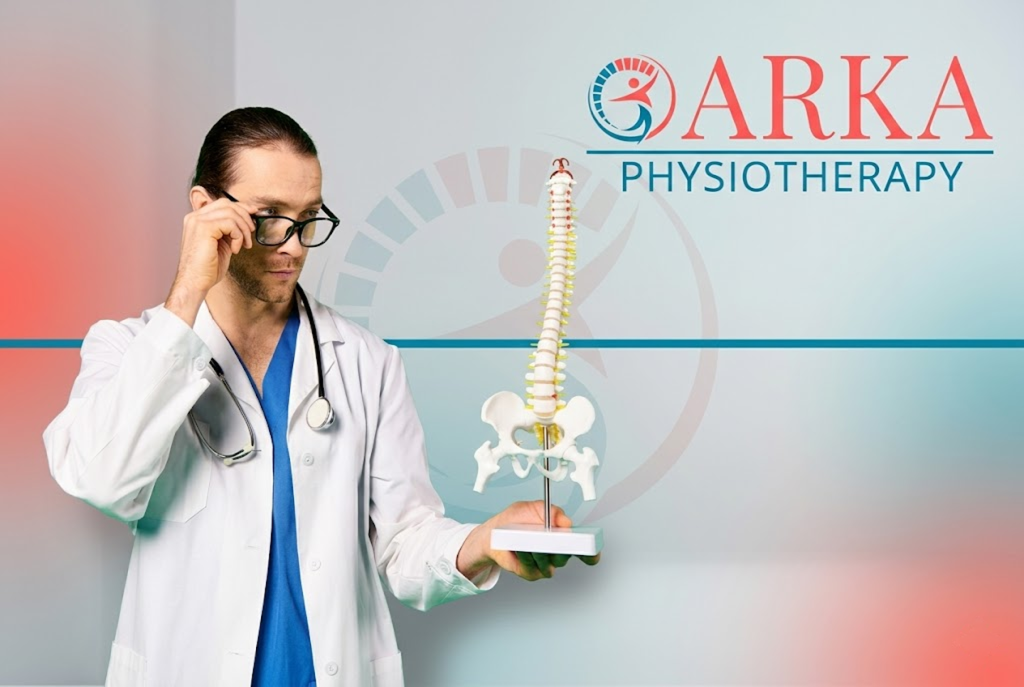
Your spine is built from vertebrae (bones) stacked with discs in between. Discs act like shock absorbers. Each disc has:
- a tougher outer ring (annulus)
- a softer, gel-like center (nucleus)
A herniated disc happens when part of the inner material pushes through a weakened or torn outer ring. If that bulge or herniation irritates a nearby nerve root, you can get nerve symptoms like pain, tingling, numbness, or weakness.
People call it a “slipped disc,” but discs don’t actually slip out of place. The issue is disc material changing shape and sometimes interacting with a nerve.
Disc bulge vs. disc herniation (and why the difference matters less than you think)
You’ll often hear:
- Bulge: the disc edge extends outward more broadly.
- Herniation: a more focal “outpouching,” sometimes with a tear in the outer ring.
On imaging (like MRI), both are common—even in people with no pain. Imaging findings don’t automatically explain symptoms. What matters most is the pattern: your history, your exam, whether symptoms match a specific nerve, and whether you’re improving over time.
Where herniations happen most
Lumbar (low back) disc herniation
This is the classic “back went out” story, often with sciatica (pain down the buttock/leg). The most common levels are L4-L5 and L5-S1, where the spine takes a lot of load and movement.
Cervical (neck) disc herniation
This can cause neck pain plus radiating arm pain, tingling, or weakness, often following a specific nerve distribution into the shoulder, arm, or hand.
Common causes and risk factors
A herniated disc is rarely one single moment that “ruined” your back. It’s usually a mix of:
- normal age-related disc changes
- repetitive bending/twisting under load
- sustained postures with poor recovery (long sitting, long drives)
- sudden overload (especially when tired or deconditioned)
- genetics (yes, it matters)
- smoking (linked with poorer disc health and slower healing)
Sometimes it happens with a specific lift or awkward movement. That doesn’t mean the disc is permanently “out.” It means the system was overloaded in that moment.
Symptoms: what people actually feel
A herniated disc can cause:
- Local pain in the back or neck
- Radiating pain (leg or arm) that can feel sharp, burning, electric, or deep ache
- Pins and needles, numbness, or altered sensation
- Weakness in a specific muscle group (for example, difficulty lifting the foot, pushing off the toes, gripping)
- Pain with coughing/sneezing/straining (increased pressure can irritate the nerve)
A simple rule: nerve-related pain often travels farther than muscle/joint pain and may come with sensory changes.
Red flags: when to seek urgent medical care
Most disc herniations are not emergencies. A small subset is.
Get urgent medical care now if you have:
- new trouble controlling bladder or bowel function
- numbness in the saddle area (groin/inner thighs)
- rapidly worsening leg weakness
- severe, unrelenting pain with fever, unexplained weight loss, or a history of cancer
- significant trauma followed by severe symptoms
These can signal serious conditions that need immediate assessment.
How a herniated disc is diagnosed
A good diagnosis is mostly clinical, not just an MRI result.
A physiotherapy assessment typically includes:
- symptom history (where it hurts, what worsens/relieves, how it’s changing)
- neurological screening (strength, reflexes, sensation)
- movement testing to find what changes symptoms (often very informative)
- functional testing (walking tolerance, sit/stand, lifting tolerance)
Do you need an MRI?
Often, not at first.
Imaging is usually considered if:
- symptoms are severe and not improving
- there are progressive neurological deficits
- red flags are present
- surgery or injection is being considered
NICE guidance for low back pain and sciatica emphasizes appropriate assessment and management pathways rather than reflexively scanning everyone. NICE
Treatment that’s actually evidence-informed (and what to avoid)
There isn’t one magic exercise or one perfect posture. There is a smart process: calm symptoms down, keep you moving, reload the spine gradually, and restore confidence.
1) Keep moving, but stop “testing” it all day
Total bed rest usually backfires. Gentle movement helps maintain circulation, reduces stiffness, and keeps the nervous system from becoming more sensitive.
Good early options:
- short, frequent walks
- changing positions often (avoid long sits)
- gentle range-of-motion that doesn’t spike leg/arm symptoms
Bad early habit:
- repeatedly bending, twisting, and stretching aggressively to “see if it’s better yet”
2) Calm the nerve down first, then build capacity
If you have sciatica or arm symptoms, the first goal is often symptom control:
- reduce pain irritability
- improve tolerance to standing/walking/sitting
- restore sleep if possible
A physio plan may include:
- education on pacing, posture variety, and how to interpret pain
- a directional preference approach (some people feel better with specific movements)
- graded exposure back to bending/lifting (not avoidance forever)
- nerve mobility work when appropriate (not aggressive stretching)
- strengthening the trunk/hips/upper back depending on the area involved
- return-to-work/sport planning that respects flare rules
3) Medications (through your prescriber)
Some people need short-term medication support to keep moving and sleeping. That’s a discussion with your physician or pharmacist. NICE NG59 includes specific recommendations for sciatica and cautions against certain drug classes in some contexts. NICE
4) Injections: sometimes useful, not a cure
Epidural steroid injections can help some people by reducing inflammation around a nerve root. They don’t “put the disc back,” and results vary. They’re usually considered when pain is significant, limiting function, and not settling with conservative care.
5) Surgery: appropriate for specific cases
Surgery is not the default. But it can be the right call when:
- there is progressive or significant weakness
- symptoms are severe and persistent despite conservative management
- quality of life and function are heavily limited
- imaging and exam match clearly
Clinical guidelines for lumbar disc herniation with radiculopathy discuss both conservative pathways and surgical options, and note that many people improve over time even without surgery. University of Rochester Medical Center
How long does recovery take?
This is the honest answer: it depends on irritability, nerve involvement, and how well your plan matches your presentation.
Typical patterns:
- Some people improve noticeably in days to a few weeks.
- Others take weeks to a few months, especially if symptoms are intense or have been present longer.
- Nerve symptoms (numbness/tingling/weakness) can take longer than pain.
Your goal isn’t “zero sensation immediately.” Your goal is clear functional progress: walking farther, sitting longer, sleeping better, moving more confidently, and reducing flare frequency.
What helps reduce recurrence
You don’t prevent disc problems by moving like a robot. You reduce recurrence by building capacity.
Practical long-term strategies:
- learn efficient hip hinge and lifting mechanics (without obsession)
- strengthen trunk and hips with progressive load
- keep walking or doing regular cardio
- vary posture during the day instead of chasing “perfect posture”
- ease back into high-load activities after flare-ups (don’t jump from 0 to 100)
FAQs (5)
1) Is a herniated disc the same as sciatica?
Not exactly. Sciatica describes symptoms along the sciatic nerve (leg pain, tingling, numbness). A herniated disc is one common cause of sciatica, but not the only one.
2) Will a herniated disc heal on its own?
Many cases improve over time, especially with sensible activity and a graded rehab plan. Some disc herniations reduce in size on imaging, and symptoms often improve even when the disc still looks “abnormal.” University of Rochester Medical Center
3) Should I rest or keep exercising?
Avoid complete rest. Keep moving within tolerable limits. Early on, think “calm and consistent” rather than intense workouts. As symptoms settle, progressive strengthening and conditioning usually matter more than stretching.
4) Do I need an MRI right away?
Not usually. If there are no red flags and your symptoms are improving, imaging often doesn’t change early management. MRI becomes more useful when symptoms persist, worsen, or if injection/surgery decisions are on the table. NICE
5) What are the signs I might need surgery?
Progressive weakness, severe persistent leg/arm pain that doesn’t improve with appropriate conservative care, or clear neurological deficits are common reasons for surgical consultation. Decisions should match your exam, imaging, and goals. University of Rochester Medical Center
References (3)
- College of Health and Care Professionals of BC (CHCPBC). Physical Therapists: Marketing and Advertising – Standard (Effective March 4, 2024). College of Health and Care Professionals
- NICE. Low back pain and sciatica in over 16s: assessment and management (NG59). NICE
- North American Spine Society (NASS). Diagnosis and Treatment of Lumbar Disc Herniation with Radiculopathy – Clinical Guideline. University of Rochester Medical Center